
Islamic Manners by Abu Ghuddah: A Comprehensive Plan
Shaykh Abdul Fattah Abu Ghuddah’s work, readily available as a PDF, details fundamental Islamic etiquette. It’s a concise guide, translated for easy access and understanding of Islamic manners.
Shaykh Abdul Fattah Abu Ghuddah (rahimahullah) was a renowned Islamic scholar deeply committed to preserving and disseminating the authentic teachings of Islam. His dedication extended to practical aspects of the faith, notably adab – Islamic manners and etiquette. He authored numerous works, but his book on Islamic manners stands out as a concise and accessible guide for Muslims seeking to refine their character and conduct.
The availability of this work as a PDF has significantly broadened its reach, allowing students of knowledge and everyday Muslims alike to benefit from his wisdom. He observed a decline in the adherence to these essential etiquettes amongst his contemporaries, motivating him to compile this valuable resource. His intention, clearly stated within the book itself, was to remind believers of the importance of embodying the beautiful character of the Prophet Muhammad (peace be upon him).

Abu Ghuddah’s approach is characterized by clarity and practicality, making the principles of Islamic manners readily applicable to daily life. The translated version ensures accessibility for a wider audience, furthering the impact of his scholarly efforts.
The Importance of Islamic Etiquette (Adab)
Islamic etiquette, known as adab, holds a profoundly esteemed position within the Islamic faith, extending far beyond mere politeness. It represents a comprehensive system of refined conduct, encompassing all aspects of a Muslim’s life – from worship and speech to interactions with others and fulfilling daily needs. Shaykh Abu Ghuddah’s work, accessible as a PDF, underscores this vital aspect of Islam.
Adab isn’t simply about following rules; it’s about cultivating a sincere intention to please Allah and emulate the noble character of Prophet Muhammad (peace be upon him). It reflects inner piety and a conscious effort to embody Islamic values in every action. Neglecting adab diminishes the spiritual quality of worship and weakens the bonds of community.
The book highlights that proper manners demonstrate respect, foster harmony, and elevate the individual and society. It’s a practical manifestation of faith, proving one’s sincerity and commitment to Islamic principles. Therefore, mastering adab is crucial for a complete and fulfilling Islamic life.
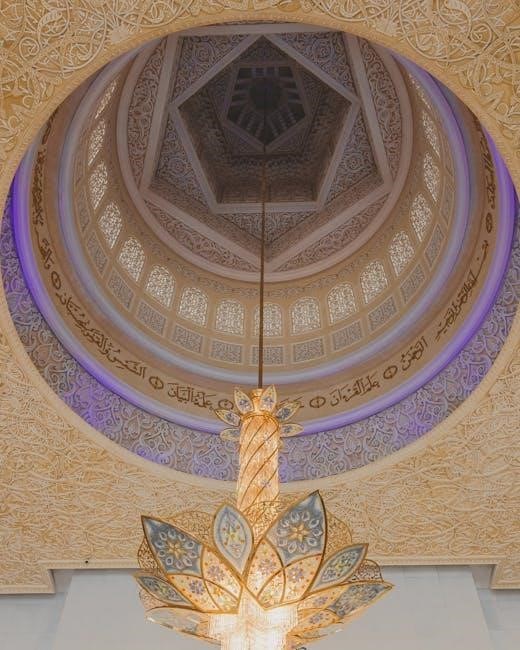
Overview of the “Islamic Manners” Book
Shaykh Abdul Fattah Abu Ghuddah’s “Islamic Manners” is a concise yet comprehensive guide to proper Muslim conduct, readily available as a PDF for convenient study. Translated by Moulana Muhammad Abasoomar, the book presents a collection of fundamental etiquette principles drawn from the Quran and Sunnah.
The work is structured to cover a wide range of social and religious interactions, offering practical advice on how to embody Islamic values in daily life. It’s divided into chapters addressing specific areas like speech, eating, visiting, and worship. Abu Ghuddah wrote it due to observing a decline in adherence to these essential etiquettes among Muslims.
This book isn’t merely a list of rules, but a heartfelt appeal to revive a beautiful aspect of Islamic tradition. It serves as a valuable resource for individuals seeking to refine their character and strengthen their connection with their faith. The PDF format allows for easy sharing and accessibility.
Core Principles of Islamic Manners
Abu Ghuddah’s book, accessible as a PDF, emphasizes reverence for Allah, the Prophet Muhammad (PBUH), and respect for elders – foundational to Islamic manners.
Respect for Allah
Shaykh Abu Ghuddah’s treatise, available as a PDF, underscores that respect for Allah is the cornerstone of all Islamic manners. This isn’t merely adherence to rituals, but a profound internalization of His majesty and attributes.
True respect manifests in consistent remembrance of Allah (dhikr), humility in all actions, and unwavering gratitude for His blessings. It dictates avoiding all forms of disobedience and striving to please Him in every aspect of life.
The book highlights that recognizing Allah’s power and wisdom fosters a sense of awe and reverence, shaping a Muslim’s character. This foundational respect influences interactions with creation, promoting kindness, justice, and compassion.
Abu Ghuddah emphasizes that sincere respect for Allah is demonstrated through fulfilling obligations, avoiding sin, and constantly seeking His forgiveness. It’s a continuous process of self-improvement and devotion, guided by the teachings of the Quran and Sunnah.
Respect for the Prophet Muhammad (PBUH)
Shaykh Abu Ghuddah’s PDF on Islamic manners dedicates significant attention to respecting Prophet Muhammad (PBUH). This respect isn’t simply reverence, but a comprehensive demonstration of love, obedience, and emulation of his noble character.
The book details that honoring the Prophet (PBUH) includes frequently sending blessings (Salawat) upon him, reciting his biography, and following his Sunnah in all matters of life. Avoiding any action that could cause him distress, even after his passing, is paramount.
Abu Ghuddah stresses that genuine respect necessitates understanding and appreciating the Prophet’s (PBUH) struggles and sacrifices. It means defending his honor against any false accusations or disrespect.
Furthermore, the text emphasizes that loving the Prophet (PBUH) is inseparable from loving Allah, as he was the most beloved of Allah’s creation. Emulating his manners and striving to embody his virtues are the highest expressions of respect.
Respect for Parents and Elders

Shaykh Abu Ghuddah’s Islamic manners PDF profoundly emphasizes the importance of respecting parents and elders, positioning it as a cornerstone of a Muslim’s character. This respect extends beyond simple politeness; it’s a deeply ingrained obligation rooted in Islamic teachings.
The text details that honoring parents involves kindness, gentleness, and fulfilling their needs, even at personal sacrifice. Speaking to them with humility, avoiding any harsh words or disrespectful behavior, is crucial. Seeking their advice and valuing their wisdom are also highlighted.
Abu Ghuddah stresses that respecting elders isn’t limited to one’s parents, but extends to all those older in age and experience. Recognizing their status and giving them due consideration are vital components of Islamic etiquette.
The PDF underscores that showing respect to elders is a means of earning Allah’s pleasure and fostering a harmonious society. It’s a reflection of one’s faith and a testament to their good upbringing.
Kindness to Neighbors
Shaykh Abu Ghuddah’s comprehensive Islamic manners PDF dedicates significant attention to the virtues of kindness towards neighbors, framing it as a vital aspect of a Muslim’s social responsibility. This isn’t merely about avoiding harm, but actively seeking to benefit those living nearby.
The text details numerous ways to demonstrate this kindness, including offering assistance, checking on their well-being, and sharing generously, especially during times of need. Maintaining good relations, even with non-Muslim neighbors, is strongly encouraged.
Abu Ghuddah emphasizes that respecting a neighbor’s privacy and avoiding any actions that could cause them distress are paramount. Protecting their property and being mindful of their comfort are also highlighted as essential Islamic etiquette.
The PDF illustrates that fostering positive neighborly relations contributes to a peaceful and harmonious community, reflecting the compassionate nature of Islam and earning divine reward.

Specific Areas of Islamic Etiquette
Shaykh Abu Ghuddah’s Islamic Manners PDF meticulously outlines etiquette in speech, dining, visiting, and greetings – essential components of a Muslim’s daily life.
Etiquette of Speech
Shaykh Abdul Fattah Abu Ghuddah’s Islamic Manners, accessible as a PDF, dedicates significant attention to the etiquette of speech. He emphasizes the importance of truthfulness, avoiding backbiting, slander, and harsh language. Muslims are encouraged to speak kindly, gently, and with consideration for the feelings of others.
The book highlights that speech should be purposeful and beneficial, avoiding frivolous chatter or arguments. Controlling one’s tongue is presented as a sign of piety and self-discipline. Abu Ghuddah stresses the need to lower one’s voice and avoid shouting, promoting a calm and respectful atmosphere in communication.
Furthermore, the PDF details the prohibition of lying and deception, even in seemingly minor matters. It encourages thoughtful reflection before speaking, ensuring that words are measured and contribute positively to interactions. Maintaining silence when appropriate is also considered a virtue, preventing unnecessary conflict and promoting wisdom.
Etiquette of Eating and Drinking

Shaykh Abdul Fattah Abu Ghuddah’s Islamic Manners, found as a downloadable PDF, outlines detailed guidelines for the etiquette of eating and drinking. The text emphasizes gratitude to Allah before and after meals, acknowledging Him as the provider. Eating with the right hand is encouraged, while avoiding wastefulness is strongly emphasized.
Abu Ghuddah details the importance of moderation, avoiding overeating or excessive indulgence. He advises against eating while standing and encourages sitting at a table. The PDF stresses the significance of sharing food with others, particularly those in need, fostering a spirit of generosity and compassion.
Furthermore, the book discourages loud chewing or talking with a full mouth, promoting respectful dining habits. It also highlights the prohibition of consuming harmful or forbidden substances. Practicing mindful eating, appreciating the nourishment, and avoiding extravagance are central themes within this section.
Etiquette of Visiting Others
Shaykh Abdul Fattah Abu Ghuddah’s Islamic Manners, accessible as a PDF download, dedicates significant attention to the proper etiquette of visiting others. The text stresses seeking permission before entering someone’s home, avoiding intrusion upon their privacy. A brief and respectful greeting upon arrival is highly recommended, demonstrating good manners.
Abu Ghuddah emphasizes the importance of not overstaying one’s welcome, being mindful of the host’s time and commitments. Avoiding excessive conversation about worldly matters, and focusing on beneficial discussions, is encouraged. The PDF highlights the virtue of offering assistance to the host, showing gratitude for their hospitality.
Furthermore, the book advises against criticizing the host’s possessions or lifestyle, maintaining a respectful and appreciative demeanor. Leaving with a polite farewell and expressing thanks are essential components of proper visiting etiquette, fostering positive relationships.
Etiquette of Greetings and Responses
Shaykh Abdul Fattah Abu Ghuddah’s Islamic Manners, available as a PDF, meticulously outlines the Sunnah-based etiquette of greetings and responses. The book emphasizes the importance of initiating the Salam (peaceful greeting) – “Assalamu Alaikum” – to all Muslims, regardless of social status. Responding promptly and completely to the greeting is considered virtuous.
Abu Ghuddah details the recommended practice of returning the greeting with equal sincerity and adding a blessing. The PDF stresses avoiding boastful or arrogant greetings, prioritizing humility and respect. Responding to greetings from non-Muslims is permissible, but initiating the Salam is discouraged.
Furthermore, the text advises on appropriate responses to inquiries about one’s well-being, encouraging gratitude to Allah and a humble acknowledgement of one’s state. Maintaining a cheerful and welcoming demeanor during interactions is also highlighted as a key aspect of Islamic etiquette.

Social Interactions and Islamic Manners
Shaykh Abu Ghuddah’s PDF on Islamic Manners stresses ethical conduct in all interactions, including business. Respect for elders and kindness to children are vital.
Dealing with the Elderly
Shaykh Abdul Fattah Abu Ghuddah’s invaluable work, accessible as a PDF, emphasizes profound respect for the elderly within Islamic manners. The book, a compilation of fundamental etiquette, advises youth to recognize the esteemed status granted to elders in Islam. This isn’t merely politeness, but a deeply rooted religious obligation.
Abu Ghuddah highlights that elders possess a wealth of experience and wisdom, earned through a lifetime of navigating life’s challenges. Therefore, showing deference, offering assistance, and speaking to them with kindness and humility are paramount. The PDF details that lowering one’s gaze and avoiding interrupting them are also crucial aspects of respectful interaction.
Furthermore, the text stresses the importance of seeking their advice and benefiting from their knowledge. Acknowledging their contributions and valuing their presence strengthens familial and communal bonds, aligning with core Islamic principles. Disregarding these etiquettes is viewed as a sign of spiritual deficiency.
Interacting with Children
Shaykh Abdul Fattah Abu Ghuddah’s comprehensive guide to Islamic manners, available as a PDF, dedicates significant attention to interactions with children. The text emphasizes kindness, compassion, and gentle guidance as foundational principles. Abu Ghuddah stresses that children are a trust from Allah, deserving of utmost care and respect.
The PDF details that interacting with children should be characterized by patience and understanding. Avoid harsh words or physical punishment, instead opting for loving discipline and positive reinforcement. It’s crucial to nurture their faith and instill good character from a young age, fostering a strong moral compass.
Furthermore, the book advises adults to engage with children in a playful and encouraging manner, answering their questions with sincerity and providing age-appropriate explanations. Treating them with dignity and valuing their perspectives cultivates self-esteem and strengthens family ties, embodying core Islamic values.
Conducting Business Ethically
Shaykh Abdul Fattah Abu Ghuddah’s Islamic Manners, accessible as a PDF, profoundly addresses ethical conduct in business dealings. The text underscores that all transactions must adhere to strict Islamic principles of honesty, fairness, and transparency. Deception, exploitation, and unjust practices are unequivocally prohibited.
The PDF emphasizes the importance of fulfilling contracts and honoring commitments, even if it means incurring a loss. Avoiding interest (riba) and speculative gambling (gharar) are paramount. Abu Ghuddah stresses that business should not solely focus on profit maximization but also on serving the community and upholding moral integrity.
Furthermore, the book advocates for respectful treatment of customers, employees, and competitors. Avoiding false advertising, providing accurate information, and ensuring fair pricing are essential components of ethical business practice, reflecting the broader Islamic emphasis on justice and accountability.
Maintaining Relationships
Shaykh Abdul Fattah Abu Ghuddah’s Islamic Manners, available as a PDF, dedicates significant attention to nurturing and preserving relationships. The text highlights that strong social bonds are foundational to a healthy Islamic community, built upon mutual respect, compassion, and forgiveness.
The PDF stresses the importance of maintaining ties of kinship (silat ar-rahim), regularly visiting relatives, and offering support during times of need. It condemns backbiting, gossip, and any behavior that could damage another’s reputation. Abu Ghuddah emphasizes the virtue of overlooking faults and extending grace to others.
Furthermore, the book advocates for resolving conflicts peacefully and avoiding prolonged disputes. Maintaining open communication, offering sincere apologies, and seeking reconciliation are crucial for preserving harmonious relationships, reflecting the Islamic emphasis on unity and brotherhood.
Worship and Islamic Manners
Abu Ghuddah’s Islamic Manners PDF details proper etiquette within worship, including mosque conduct, Salah (prayer) reverence, and respectful Quran recitation.
Etiquette in the Mosque
Shaykh Abu Ghuddah’s comprehensive guide, available as an Islamic Manners PDF, meticulously outlines the proper adab (etiquette) expected within the mosque. Entering with the right foot first, seeking forgiveness from Allah upon entry, and offering tahiyyat al-masjid (greeting the mosque) are foundational practices.
Maintaining cleanliness, avoiding disruptive conversations during prayer or recitation, and refraining from worldly discussions are crucial. Respecting the space as a sacred place of worship is paramount.
The PDF emphasizes avoiding any actions that could distract others from their devotion. This includes controlling the use of mobile phones and minimizing unnecessary movement. Leaving the mosque with the left foot, again seeking forgiveness, completes the cycle of respectful conduct. Abu Ghuddah stresses that observing these manners demonstrates reverence for Allah’s house and enhances the spiritual experience for all.
Etiquette During Prayer (Salah)
Shaykh Abu Ghuddah’s Islamic Manners PDF dedicates significant attention to the adab of Salah (prayer), emphasizing its importance as a direct communication with Allah. Proper preparation, including ritual purity (wudu) and appropriate attire, is foundational. Maintaining humility and presence of heart throughout the prayer is paramount.
The PDF details avoiding unnecessary movements, such as fidgeting or looking around, which can diminish focus. Recitation should be clear and mindful, and attention directed towards understanding the meaning of the verses.
Respecting the sanctity of the prayer space and avoiding distractions to fellow worshippers are crucial. Abu Ghuddah highlights the importance of performing Salah with sincerity and devotion, recognizing it as a privilege and a profound act of worship. Observing these manners elevates the quality of prayer and strengthens one’s connection with Allah.
Etiquette While Reading the Quran
Shaykh Abu Ghuddah’s Islamic Manners PDF outlines the profound respect due when engaging with the Quran. Prior to recitation, ritual purity is essential, and the Quran should be treated with utmost reverence – placed on a clean surface and handled with care. A sincere intention to seek guidance and blessings from Allah is vital.
The PDF stresses the importance of reciting with proper tajwid (pronunciation rules) to convey the Quran’s intended meaning. Reflection upon the verses, striving to understand and implement their teachings, is paramount. Avoiding distractions and maintaining a state of humility are also key.
Abu Ghuddah emphasizes that reading the Quran shouldn’t be merely a mechanical act, but a mindful engagement with the divine word. Pausing to contemplate and internalize the message enhances the spiritual benefit and fosters a deeper connection with Allah.
Practical Applications & PDF Access
Shaykh Abu Ghuddah’s Islamic Manners, available as a PDF, offers timeless guidance. Numerous online sources facilitate easy download and study of this valuable resource.
Finding and Downloading the PDF
Locating a PDF copy of Shaykh Abdul Fattah Abu Ghuddah’s “Islamic Manners” requires a bit of online searching, but several avenues exist. The Internet Archive hosts versions, sometimes within collections like the Claremont School of Theology Library Donation. However, direct download links aren’t always readily displayed, requiring exploration within the archive.
Various websites offer links, though their reliability can vary. Searching specifically for “Islamic Etiquette pdf download” alongside “Abu Ghuddah” yields results. Be cautious when downloading from unfamiliar sources, prioritizing reputable sites to avoid malware.
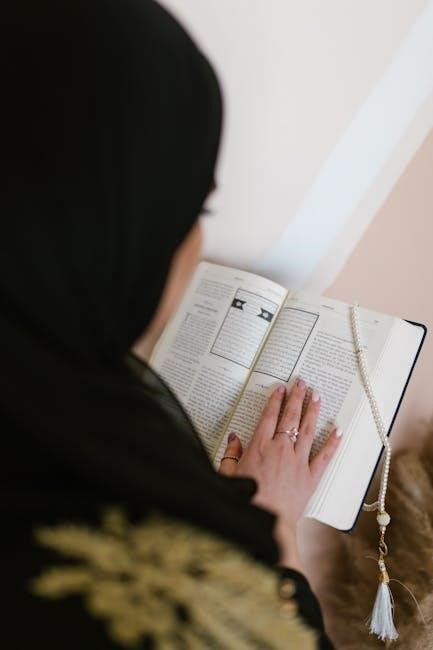
Furthermore, online Islamic bookstores or digital libraries may carry the book in PDF format. Checking platforms dedicated to Islamic literature is advisable. The document, often titled “IslamicMannersByShaykhAbdulFattahAbuGhuddah,” is also available as a Text file (.txt) alongside the PDF.
Key Takeaways from Abu Ghuddah’s Work
Shaykh Abu Ghuddah’s “Islamic Manners,” as presented in the PDF, emphasizes the crucial role of adab (etiquette) within Islam. He highlights that proper conduct isn’t merely superficial, but a reflection of inner faith and sincere devotion to Allah. The book underscores the importance of respecting Allah, the Prophet Muhammad (PBUH), parents, and elders, forming the bedrock of a Muslim’s character.
A central theme is the interconnectedness of worship and manners; even seemingly minor actions, like eating or speaking, should be performed with mindful etiquette. Abu Ghuddah stresses the need to cultivate kindness towards neighbors and maintain ethical standards in all interactions, including business dealings.
Ultimately, the work serves as a practical guide, reminding readers that embodying Islamic manners is a continuous effort, vital for both individual spiritual growth and harmonious societal living.
The Relevance of Islamic Manners in Modern Life
Shaykh Abu Ghuddah’s “Islamic Manners” PDF remains profoundly relevant today, offering a vital corrective to increasingly impolite and self-centered societal norms. In a world often prioritizing material gain over ethical conduct, the book’s emphasis on respect, kindness, and humility is particularly crucial.
The principles outlined – ethical business practices, respectful interactions with all age groups, and mindful communication – directly address contemporary challenges. Abu Ghuddah’s work provides a framework for building stronger communities founded on compassion and mutual respect, countering the isolation and discord prevalent in modern life.
By reviving these timeless principles, Muslims can demonstrate the beauty and practicality of Islam, serving as positive role models and contributing to a more just and harmonious world.
Further Resources and Related Works
Beyond Shaykh Abu Ghuddah’s essential “Islamic Manners” PDF, exploring broader texts on Adab (Islamic etiquette) enriches understanding. Muhammad Khair al-Fatima’s works delve into similar themes, offering complementary perspectives on Muslim conduct.

Resources detailing fundamental Islamic beliefs provide context for the practical application of manners. Searching online archives, like the Internet Archive, can yield additional translations and commentaries on classical texts concerning character and ethics.
Claremont School of Theology Library’s donation includes related materials. Further study of the Prophet Muhammad’s (PBUH) life – his speech, interactions, and overall conduct – offers the ultimate model for embodying Islamic manners. Continued learning strengthens faith and practice.