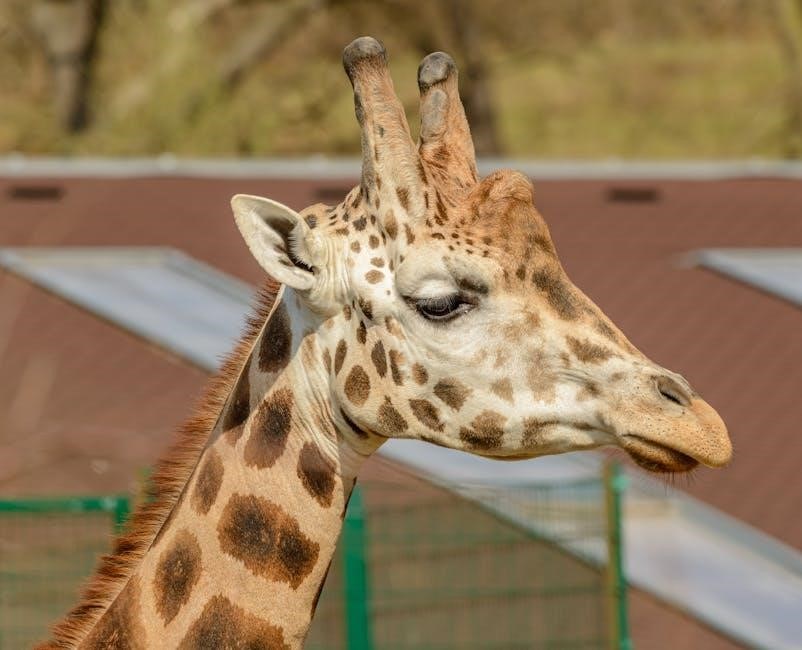
Giles Andreae’s heartwarming tale, illustrated by Guy Parker-Rees, introduces Gerald, a giraffe who dreams of dancing despite his physical challenges․ This enchanting story beautifully captures the essence of overcoming self-doubt and embracing one’s unique style, inspiring readers to dance to their own tune․
Author and Illustrator
Giles Andreae is the celebrated author of Giraffes Can’t Dance, crafting the heartwarming tale of Gerald․ His rhythmic narrative conveys profound messages of self-belief and uniqueness to young audiences․ Andreae masterfully develops Gerald’s relatable journey and struggles, delivering an uplifting message through engaging prose that deeply resonates with readers, establishing the book’s enduring appeal․
Guy Parker-Rees is the talented illustrator for Giraffes Can’t Dance․ His vibrant, expressive artwork is crucial in bringing Andreae’s narrative to life, visually capturing Gerald’s lanky form and the dynamic jungle environment․ Parker-Rees’s distinctive style perfectly complements the text, adding humor and emotional depth to the characters․ This powerful collaboration between Andreae’s insightful writing and Parker-Rees’s captivating visuals creates a truly memorable and inspiring picture book, cementing its place as a beloved classic in children’s literature, cherished for its artistic and literary harmony and widespread popularity among children and adults alike․
The Heartwarming Tale of Gerald
The delightful story of Giraffes Can’t Dance introduces readers to Gerald, a tall giraffe with unusually lanky legs․ Despite his physical build, Gerald harbors a profound dream: to dance with grace and participate in the lively Jungle Dance alongside all the other animals․ However, he faces a common perception that giraffes are simply incapable of dancing, creating an internal conflict for him․
Gerald’s journey is heartwarming because it delves into his deep longing to express himself through movement, even when his own body seems ill-suited for conventional dance․ The narrative beautifully portrays his aspirations and the initial challenges he encounters due to his long neck and skinny legs, which make him feel clumsy compared to the other creatures․ This enchanting tale ultimately captures the essence of a gentle soul striving to overcome personal limitations and societal expectations․ It’s a story of hope, resilience, and the universal desire to belong, making Gerald’s quest relatable and deeply moving for readers of all ages․ His simple wish to dance forms the core of this inspiring narrative․
Core Message of Self-Belief
The enduring appeal of Giraffes Can’t Dance lies deeply in its profound core message of self-belief․ Through Gerald’s journey, the book powerfully illustrates that true ability stems not from conforming to others’ expectations, but from trusting in one’s own potential and unique capabilities․ Gerald, initially hindered by his perceived clumsiness and the notion that “giraffes can’t dance,” learns a vital lesson: that everyone possesses a distinct rhythm and style waiting to be discovered․ This narrative champions the idea that self-doubt can be overcome when one chooses to embrace individuality rather than succumbing to critical voices or societal norms․ The story profoundly encourages readers to look inward, recognize their own inherent strengths, and believe in their capacity to achieve what they desire, regardless of external judgments․ It’s about finding the courage to be different and understanding that genuine success comes from celebrating what makes you unique․ The book eloquently conveys that when you authentically believe in yourself, you unlock the power to create your own dance, inspiring others to do the same by demonstrating personal conviction․ This foundational message resonates deeply, promoting resilience and the confidence to pursue personal passions against all odds․
Gerald’s Struggle on the Dance Floor
Gerald bravely walked towards the dance floor at the Jungle Dance, only to be met with harsh taunts from the other animals․ “Giraffes can’t dance, you silly fool!” they roared․ This criticism made him freeze up completely, feeling incredibly sad and alone․
Gerald’s Dream of Dancing
Gerald, the central character in Giles Andreae’s beloved “Giraffes Can’t Dance,” harbored a profound and secret desire: he yearned to dance․ Despite being a tall giraffe with distinctly lanky legs and an undeniably long neck, Gerald envisioned himself gliding and swaying with the same effortless grace as the other jungle animals․ He longed to join the vibrant festivities of the annual Jungle Dance, a highlight for every creature in their community․ However, this dream was constantly overshadowed by a prevailing belief—a widely accepted notion that giraffes simply weren’t built for dancing․
His physical attributes, while perfectly suited for reaching high leaves, seemed to betray his artistic aspirations․ His skinny legs and elongated neck felt like impediments rather than assets on a dance floor․ Gerald often imagined himself twirling, waltzing, and cha-cha-ing alongside the warthogs, chimps, and lions, but the reality of his own perceived clumsiness loomed large․ He wanted nothing more than to participate, to feel the rhythm and express himself through movement, yet he harbored deep uncertainty about his ability to ever truly fit in or perform․ This fervent longing, coupled with societal expectations, formed the core of his initial struggle․
The Animals’ Taunts and Gerald’s Reaction
As Gerald bravely walked toward the vibrant dance floor, hoping to join the lively Jungle Dance, he was met with a barrage of unkind words and harsh laughter from the assembled animals․ The very moment the lions spotted him approaching, they began to roar with derision, their loud noises quickly joined by the sneers and taunts of the other creatures․ “Hey, look at clumsy Gerald!” they jeered with contempt, their voices filled with mocking amusement and a lack of empathy․ The cruelest words echoed loudly, directly targeting his aspirations: “Giraffes can’t dance, you silly fool! Oh, Gerald, you’re so weird!” These harsh pronouncements struck Gerald deeply, instantly shattering his fragile confidence and making him feel utterly out of place․ He had swallowed bravely, gathering all his courage and preparing himself for the challenge, but the collective negativity and public humiliation were overwhelmingly powerful․ The immense weight of their unkind judgment caused Gerald to simply freeze up completely․ He became rooted firmly to the spot, his initial hopeful anticipation tragically replaced by profound sadness and a crushing sense of isolation․ The cutting remarks confirmed his deepest fears, leaving him utterly disheartened and convinced of his own inability to ever dance․
Initial Sadness and Freezing Up
After facing the animals’ cruel taunts, Gerald’s brave spirit shattered․ The relentless jeers, particularly “Giraffes can’t dance, you silly fool! Oh, Gerald, you’re so weird,” deeply wounded him․ Overwhelmed, he simply froze up, rooted to the spot, completely unable to move or participate․ His joyful anticipation vanished, replaced by profound shame and inadequacy․ He internalized their harsh judgment, believing their unkind words about his clumsiness were true, and his cherished dream crumbled․
Overcome by this immense disappointment and public humiliation, Gerald could no longer bear to remain on the lively dance floor․ With a heavy heart, he slowly crept away from the vibrant gathering, leaving the festivities behind․ As he started walking home, he had never felt such intense sadness before—so profoundly sad and utterly alone, the joyful jungle sounds fading․ The bitter echoes of rejection lingered, leaving him isolated and heartbroken by his unfulfilled dream․
Key Themes and Educational Value
The story beautifully highlights overcoming self-doubt and embracing one’s uniqueness, proving everyone can dance to their own tune․ It also sparks discussions on kindness versus unkind words, emphasizing the transformative power of encouragement in finding one’s special style․
Overcoming Self-Doubt and Embracing Uniqueness
Giles Andreae’s “Giraffes Can’t Dance” masterfully explores the profound theme of overcoming self-doubt and celebrating individual uniqueness․ Gerald, a tall giraffe with lanky legs, initially embodies profound self-consciousness․ His dream of dancing is constantly challenged by his perceived clumsiness and the societal expectation that giraffes simply cannot dance․ This internal struggle is central to the narrative, as Gerald grapples with feelings of inadequacy when compared to the other animals’ graceful movements at the Jungle Dance․ The story vividly portrays his initial sadness and feeling “so sad and so alone” after failing to conform to conventional dance styles․ However, the true brilliance of the tale lies in Gerald’s transformation․ He doesn’t abandon his dream; instead, he learns to redefine what dancing means for him․ Rather than trying to mimic others, Gerald discovers his own rhythm, a unique style that perfectly suits his long legs and neck․ This journey culminates in a powerful message: true fulfillment comes not from conforming, but from embracing one’s distinct qualities and finding a way to express them authentically․ Gerald’s eventual success serves as a vibrant metaphor for all who feel different, encouraging them to trust their inner voice and celebrate their individuality, ultimately dancing to their own delightful tune․
The Role of Encouragement and Unique Style
The pivotal role of encouragement in “Giraffes Can’t Dance” is beautifully illustrated through the character of a friendly cricket․ When Gerald is at his lowest, feeling “so sad and so alone” after the animals’ taunts, it is this perceptive cricket who offers a crucial spark of hope and guidance․ The cricket’s gentle suggestion that Gerald simply needs to find “the right music” for himself empowers the clumsy giraffe to look inward rather than outward for validation․ This external encouragement acts as a vital catalyst, shifting Gerald’s perspective from despair to possibility, enabling his transformation․
This timely encouragement directly leads Gerald to embrace his unique style․ Instead of trying to mimic the waltzing warthogs or cha-chaing chimps, Gerald discovers a rhythm that truly resonates with his own body․ His “lanky legs” and “long neck,” once sources of embarrassment, become instruments of his distinctive dance․ The story profoundly emphasizes that true dancing isn’t about conforming to predefined steps, but about expressing oneself authentically to music that stirs the soul․ Gerald’s eventual triumphant performance, surprising everyone, showcases the power of finding one’s individual groove․ The book reinforces the idea that everyone “can dance when they have music that they enjoy,” highlighting that unique expression, fostered by encouragement, is key to joy and self-acceptance․
Discussions on Kindness and Unkind Words
The narrative of “Giraffes Can’t Dance” provides a powerful platform for discussing the profound impact of both kindness and unkind words․ Initially, Gerald faces a barrage of harsh remarks from the other jungle animals․ Phrases like “‘Giraffes can’t dance, you silly fool! Oh, Gerald, you’re so weird'” are direct examples of the taunts that cause Gerald to feel “so sad and so alone․” These unkind words lead him to freeze up, rooted to the spot, demonstrating the immediate and debilitating effect of negative criticism on one’s self-esteem and willingness to participate․
This stark portrayal of bullying behavior offers an invaluable lesson for young readers about empathy and the consequences of their words․ Educators often utilize the book to facilitate conversations about distinguishing between “KIND or UNKIND” words, sometimes incorporating activities like creating a visual aid with a “smiling face” for kind words and a “sad frown” for unkind ones․ The story teaches that even seemingly playful jabs can deeply hurt․ Conversely, the eventual encouragement Gerald receives from the cricket highlights the transformative power of kindness and supportive language․ It underscores the message that thoughtful, encouraging words can uplift and empower individuals to overcome self-doubt and embrace their uniqueness, fostering a more inclusive and compassionate environment for everyone․
Accessing Giraffes Can’t Dance as a PDF
You can access “Giraffes Can’t Dance” via online flip PDF versions․ Many are available for free download, published by entities like mcdegalicia, allowing readers to check pages digitally․ Creating similar online flipbooks offers an avenue for sharing content easily․
Flip PDF Version Availability
Publishers of Digital Flipbooks
Dates of PDF/Flipbook Publication
The journey of this much-loved narrative into the digital realm, specifically as PDFs and interactive flipbooks, has been marked by distinct publication dates, enhancing its accessibility for a global audience․ One key date for its digital debut was June 19, 2020․ On this occasion, a comprehensive flip PDF rendition of the story first emerged online․ This particular release allowed enthusiasts to delve into the vibrant illustrations and rhythmic text through a digital interface, providing a convenient alternative to physical copies․ This initial publication solidified the book’s presence within the growing landscape of online literature․ Subsequently, a further significant date in its digital lifecycle was May 30, 2022․ This later date saw the publication of another distinct flipbook iteration․ Each of these dates underscores the continuous adaptation of the story for digital platforms, reflecting the evolving ways in which readers consume content․ These timed releases ensure sustained visibility and introduce the narrative to new online communities․ The consistent emergence of these digital formats on specific dates highlights a strategic effort to maintain the book’s relevance and reach across diverse technological environments, making the tale of self-discovery readily available for immediate enjoyment and educational purposes․ The precise timestamping of these digital publications offers a clear timeline of its expansion into accessible online formats․
Options for Free PDF Download
For those eager to experience the enchanting story of Gerald the giraffe, several avenues exist for accessing Giraffes Can’t Dance in a free PDF format․ The availability often stems from digital flipbook platforms and educational resource sites, making the heartwarming tale highly accessible․ Users can readily “Download Giraffes Cant Dance PDF for free” as indicated by various online sources․ One notable pathway involves platforms where the book has been published as a flip PDF version, such as those associated with `mcdegalicia`․ These digital publishers frequently offer the complete rendition, allowing readers to check pages 1-33 and beyond, completely free of charge, often presented in an interactive flipbook style mimicking a physical book․ This ensures the inspiring narrative is widely available for children and educators alike․ Searching specifically for “Giraffes Cant Dance PDF for free” online will typically lead to these valuable resources, which present the story in an easily readable digital format compatible with most devices․ The convenience of a free download means the powerful message of self-acceptance and unique expression can reach a broader audience without financial barriers․ Such digital offerings are invaluable for classroom settings or home reading, providing an instant gateway to Gerald’s journey of finding his rhythm․ These free options significantly underscore the widespread desire to share this beloved tale globally, fostering a love for reading and self-belief․
Creating Similar Online Flipbooks
Book Publication Details
The beloved children’s book, Giraffes Can’t Dance, is a creation of the talented author Giles Andreae, brought to vivid life through the illustrations of Guy Parker-Rees․ This enduring story has been published by various houses, with a notable edition from Scholastic Inc․ This particular Scholastic Inc․ release, identified by ISBN 9781338539172, is presented as a durable board book, perfectly suited for its target audience․ Comprising 32 pages, the book measures approximately 6․808 x 8․316 inches, making it a comfortable size for young readers․ It is primarily aimed at children aged 0 to 3 years, catering to early childhood development with its engaging narrative and colorful artwork․ While specific initial publication dates for all editions vary, the book celebrated its 10th anniversary in 2009, indicating its original release was around 1999․ This longevity highlights its status as a timeless classic, continually reprinted and cherished by families worldwide․ The consistent presence of Andreae’s witty text and Parker-Rees’s expressive illustrations across numerous printings ensures the core message and charm remain intact for new generations discovering Gerald’s journey․ These details underscore the book’s established place in children’s literature, a testament to its widespread appeal and lasting impact․