
CCM helmets use a standardized sizing system that balances safety, fit, and comfort․ The guide lists head circumference ranges for Small, Medium, and Large, helping riders select the correct size before mounting․ Proper sizing reduces pressure points and improves ventilation․ and ensures a snug balanced fit․ Secure

Measuring Your Head

Measure your head by wrapping a flexible tape around the widest part, just above the ears and across the brow․ Keep the tape level, snug but not tight, and record the measurement in inches or centimeters․ Accurate sizing ensures a secure, comfortable fit․ Measure twice, record the larger value for best fit now

Tools Needed
To accurately determine the correct CCM helmet size, gather the following items:

- Flexible measuring tape – a cloth or paper tape measure that can bend around the head without compressing the skull․
- Pen or pencil – for recording the measurement in inches or centimeters․
- Notebook or digital note app – to keep a record of your size and any adjustments you make over time․
- Mirror or friend’s help – a reflective surface or an assistant can ensure the tape stays level and centered․
- Calculator (optional) – to convert measurements between metric and imperial units if needed․
- Measuring tape with built‑in ruler – ensures you can read inches and centimeters directly on the tape․
- Digital caliper – provides precise measurements for head circumference if you prefer electronic tools․
- Headband or reference marker – helps keep the tape level during measurement․
Before you begin, ensure the tape is clean and free of debris, and that the helmet’s interior padding is removed or flattened to avoid skewing the measurement․ A precise measurement is the foundation for a helmet that fits snugly, offers optimal protection, and maintains comfort during rides․
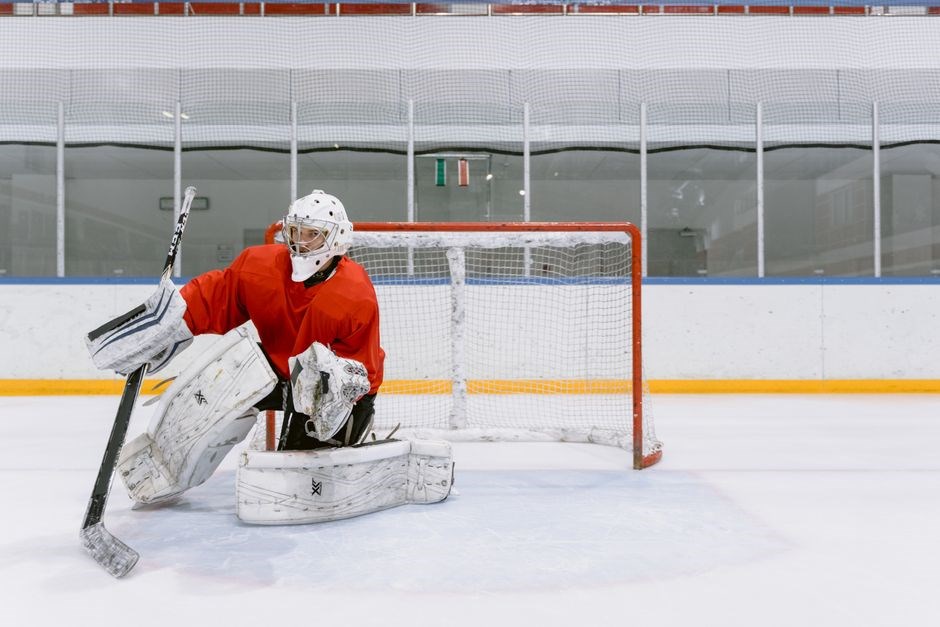
Having all these tools at hand ensures you can take accurate measurements, record them reliably, and compare them against the CCM size chart for the best fit!!!!!
Measurement Procedure
Begin by standing upright with your head relaxed․ Place the flexible measuring tape around the widest part of your skull, just above the eyebrows and ears, ensuring it sits snugly but not tight․ The tape should be horizontal and level; use a mirror or an assistant to confirm alignment․ Slide the tape until the end meets the starting point, and note the measurement in inches or centimeters․ Record the figure in your notebook, then repeat the process twice more to confirm consistency․ If the readings vary by more than 0․5 inches (1․27 cm), remeasure to ensure accuracy․ Once you have a reliable number, cross‑reference it with the CCM size chart: Small (18․5–19․5 in), Medium (19․5–20․5 in), Large (20․5–21․5 in)․ Select the size that encompasses your measurement, and remember that a slightly larger size may allow for padding adjustments․ Finally, test the chosen helmet on your head, checking that it sits level and that straps form a secure but comfortable fit․ After the initial fit, adjust the inner padding to eliminate any gaps between the helmet shell and your skull․ Use the adjustable straps to tighten the helmet snugly around the back of the head, ensuring the chin strap is secure yet not overly tight․ Check for any pressure points by gently pressing the helmet against the forehead, temples, and behind the ears; if discomfort arises, readjust the padding or reposition the helmet․ Remember that a proper fit should feel like a firm embrace without pinching․ Once satisfied, perform a quick safety check: the helmet should not shift when you tilt your head side to side․
Common Mistakes
Many riders overlook a few key pitfalls that can compromise both safety and comfort․ First, measuring with a stiff tape can compress the skull, yielding a smaller reading; always use a flexible, non‑stretch tape and keep it level․ Second, placing the tape too low—just above the ears—misses the true head circumference; the correct spot is slightly above the eyebrows․ Third, ignoring the “average” size rule; a single measurement is rarely enough, so repeat the process and take the mean․ Fourth, neglecting the helmet’s internal padding; loose or missing foam can create gaps that shift the shell during a crash․ Fifth, over‑tightening the chin strap; a strap that is too tight can cause neck strain and reduce airflow․ Sixth, assuming a one‑size‑fits‑all approach; CCM’s chart is precise, and a size off by even a half inch can lead to a loose fit․ Seventh, not testing the helmet’s movement; a helmet that slides when you tilt your head can indicate a poor fit․ Finally, skipping a post‑purchase fit check after adding new padding or straps—every adjustment can alter the overall fit․ Avoiding these common mistakes ensures the helmet stays secure, breathable, and protective on every ride․ Another frequent error is neglecting to adjust the helmet’s internal foam after a crash or long use; foam can compress, creating gaps that compromise impact protection․ Riders often forget to replace worn padding, which can lead to a loose fit and reduced airflow, especially in hot weather․ Choosing a larger size for growth can leave the helmet loose, reducing protection today !!

Interpreting the Size Chart
CCM’s size chart lists head circumference ranges for Small, Medium, and Large․ Measure your head in centimeters, then match the value to the chart’s lower and upper bounds․ If your measurement falls between two sizes, choose the larger one for a snug fit․ Adjust padding for comfort․ Verify your measurement precisely․

Small (S)
CCM Small helmets are engineered for head circumferences between 53․5 cm and 55․5 cm (21 in to 21․8 in)․ This size is ideal for riders with a narrower skull or a shorter face profile․ The interior padding is specifically contoured to deliver a snug, secure fit without excessive compression․ When selecting a Small, measure your head at the widest point—just above the eyebrows and ears—and compare the result to the chart․ If your measurement falls within the Small range, the helmet will sit low on the forehead, offering optimal coverage of the frontal bone while maintaining a comfortable margin around the temples․ The adjustable strap system allows fine‑tuning of the fit; tighten the lower strap until the helmet feels stable, then adjust the upper strap to eliminate any gaps․ For riders who are on the upper end of the Small range, adding a small amount of padding or using a slightly tighter strap can help achieve a secure seal․ Conversely, if you’re on the lower end, a modest reduction in padding or a looser strap may prevent the helmet from feeling overly tight․ Small helmets also feature a ventilation system calibrated for the head shape, ensuring airflow without compromising impact protection․ Properly fitted, the Small size delivers a balance of safety, comfort, and performance that meets the demands of both recreational and competitive riders․
In addition to the standard fit, CCM Small helmets incorporate a lightweight composite shell that reduces overall mass, making it easier to maneuver at high speeds․ The shell’s polycarbonate liner provides excellent energy absorption while the multi‑layer foam core offers additional cushioning․ Riders who prefer a lighter feel will appreciate the reduced weight․ For younger riders, the Small size is often the best match, as it accommodates smaller skulls while still offering the same level of protection as larger models․ The helmet’s modular design allows for easy replacement of the inner liner, extending the life of the helmet and maintaining optimal fit over time․ When caring for your Small helmet, clean the interior with a mild soap solution and a soft brush to keep the foam dry and free of debris․ Store the helmet in a cool, dry place, and avoid leaving it in direct sunlight, which can degrade the shell material․ By following these guidelines, you can ensure that your Small helmet remains in top condition and continues to provide reliable protection for years to come․
Medium (M)
CCM Medium helmets are designed for head circumferences ranging from 55․6 cm to 57․5 cm (21․8 in to 22․7 in)․ This size fits riders with a medium skull width and a balanced facial structure․ The helmet’s interior is engineered to provide a secure, pressure‑free fit while allowing enough room for the ears and temples․ When measuring, place the tape measure just above the eyebrows and ears, ensuring it sits level across the widest part of the skull․ If your measurement falls within the Medium range, the helmet will sit slightly higher on the forehead, offering optimal coverage of the frontal bone without excessive bulk․ The adjustable strap system is fine‑tuned to accommodate variations in head shape; tighten the lower strap until the helmet feels snug, then adjust the upper strap to eliminate any gaps․ For riders at the upper end of the Medium range, adding a small amount of padding or a tighter strap can help achieve a secure seal; Conversely, if you’re at the lower end, a modest reduction in padding or a looser strap may prevent the helmet from feeling overly tight․ Medium helmets feature a ventilation system calibrated for the head shape, ensuring airflow without compromising impact protection․ Properly fitted, the Medium size delivers a balance of safety, comfort, and performance that meets the demands of both recreational and competitive riders․ The lightweight composite shell reduces overall mass, making it easier to maneuver at high speeds․ The modular design allows for easy replacement of the inner liner, extending the life of the helmet and maintaining optimal fit over time․ When caring for your Medium helmet, clean the interior with a mild soap solution and a soft brush to keep the foam dry and free of debris․ Store the helmet in a cool, dry place, and avoid leaving it in direct sunlight, which can degrade the shell material․ By following these guidelines, you can ensure that your Medium helmet remains in top condition and continues to provide reliable protection for years to come․ Additionally, riders should periodically check the tension of the straps and the condition of the padding, as wear can alter the fit over time․ A well‑maintained helmet not only feels comfortable but also maintains its structural integrity during impact․ —
Large (L)
Large helmets cover head circumferences from 57․6 cm to 59․5 cm (22․7 in to 23․5 in)․ Riders with a broader skull and a slightly taller face will find this size offers a comfortable, secure fit․ The shell’s curvature is designed to sit lower on the forehead, providing ample coverage of the frontal bone while keeping the chin area free of excess bulk․ When measuring, place the tape just above the eyebrows and ears, ensuring it is level across the widest part of the skull․ A measurement within the Large range means the helmet will rest slightly higher on the forehead, striking a balance between protection and weight․ The adjustable strap system is engineered to accommodate the larger head shape; tighten the lower strap until the helmet feels snug, then adjust the upper strap to eliminate any gaps․ For riders at the upper end of the Large range, a small amount of padding or a tighter strap can help achieve a secure seal, whereas at the lower end a modest reduction in padding or a looser strap may prevent the helmet from feeling overly tight․ Large helmets feature a ventilation system calibrated for the head shape, ensuring airflow without compromising impact protection․ Properly fitted, the Large size delivers a balance of safety, comfort, and performance that meets the demands of both recreational and competitive riders․ The lightweight composite shell reduces overall mass, making it easier to maneuver at high speeds․ The modular design allows for easy replacement of the inner liner, extending the life of the helmet and maintaining optimal fit over time․ When caring for your Large helmet, clean the interior with a mild soap solution and a soft brush to keep the foam dry and free of debris․ Store the helmet in a cool, dry place, and avoid leaving it in direct sunlight, which can degrade the shell material․ By following these guidelines, you can ensure that your Large helmet remains in top condition and continues to provide reliable protection for years to come․ Additionally, riders should periodically check the tension of the straps and the condition of the padding, as wear can alter the fit over time․ A well‑maintained helmet not only feels comfortable but also maintains its structural integrity during impact․ The Large size also includes optional side vents that can be opened or closed to adjust airflow, making it versatile for varying weather conditions․ Riders who frequently ride in hot climates can open the vents to increase cooling, while those in cooler weather can close them to retain heat․ The helmet’s impact zones are reinforced with a multi‑layered energy‑absorbing liner that meets or exceeds current safety standards․ This liner can be replaced every few years to maintain optimal performance․ Finally, remember that a properly fitted Large helmet should feel snug but not constricting; you should be able to move your head freely without any discomfort or pressure points․ By adhering to these guidelines, you’ll enjoy a helmet that protects, performs, and feels great on every ride․ Enjoy! Ride!
Fitting and Care Tips
Secure the helmet by tightening straps evenly, ensuring no gaps․ Adjust padding for comfort, keep vents open for airflow, and clean the interior with mild soap․ Store in a cool, dry place, replace liners every few years to maintain safety․ Keep straps snug and check for cracks for safety
Adjusting Padding and Straps
Proper helmet fit starts with the padding and strap system․ First, locate the adjustable strap on the back of the helmet; most CCM models feature a single, quick‑release strap that can be tightened or loosened with a simple thumb action․ Slide the strap until the helmet sits level on the head, with the chin strap snug but not overly tight․ The strap should create a slight indentation around the chin area, indicating a secure fit without causing pressure points․
Next, examine the interior padding․ Many helmets come with removable, foam inserts that can be swapped for a thicker or thinner layer depending on personal comfort․ If the padding feels too firm, replace it with a softer insert; if it feels too loose, add a second layer or use a thicker foam․ Always ensure that the padding covers the entire head circumference, leaving no gaps that could allow air to escape or cause uneven pressure․
To fine‑tune the fit, adjust the chin strap by tightening the buckle until the strap is snug but still allows a finger to slip between the strap and the chin․ This balance ensures the helmet stays in place during impact while preventing excessive compression․ After adjustments, perform a quick “rock‑and‑roll” test: gently rock the helmet from side to side and from front to back; it should remain stable, indicating a proper fit․
Finally, remember that helmet fit can change with temperature or sweat․ Periodically re‑check the strap tension and padding condition, especially after long rides or in hot weather․ A well‑adjusted helmet not only enhances safety but also improves comfort and confidence on the trail․
Keep the helmet’s interior dry by using a moisture‑absorbing pad or towel after rides․ Store it in a ventilated case, not in direct sunlight, to preserve the shell’s integrity and preventmold․
Ventilation and Comfort
CCM helmets incorporate a multi‑layer ventilation system designed to keep the rider’s head cool and dry․ The shell features a series of strategically placed vents that allow airflow from the front to the back, while internal foam layers absorb moisture․ When selecting a size, ensure the vents align with the natural airflow path of your head; a snug fit will keep the vents open and prevent obstruction․
During long rides, periodic checks are essential․ If the helmet feels hot or damp, remove the padding and let the shell air out․ Some CCM models feature a quick‑release vent cover that can be opened to increase airflow during extreme heat․ Always keep the helmet in a ventilated case when not in use to avoid trapped moisture․
- Vent placement: Ensure vents line up with the natural airflow path; a snug fit keeps vents open, preventing obstruction and maintaining consistent cooling․
- Padding selection: Use moisture‑wicking liners for hot days and thicker foam for extra protection․ Replace worn padding every 12 months to preserve fit and comfort․
- Temperature control: During high‑heat rides, open the quick‑release vent cover and use a cooling gel pack under the padding․ In cooler weather, close vents to retain warmth․
The helmet’s interior may compress, reducing ventilation efficiency․ Periodic inspection of foam density and vent alignment is recommended․ If helmet feels less responsive, replace foam and adjust strap tension to restore airflow․ Consistent maintenance ensures the helmet remains a reliable safety device
Cleaning and Storage
Proper cleaning and storage are essential to maintain the integrity of a CCM helmet․ Begin by removing all removable padding and straps․ Wash the padding with a mild soap and warm water, avoiding harsh detergents that can degrade the foam․ Gently scrub the shell with a soft brush, then rinse thoroughly and allow it to air‑dry completely before reassembly․ Never use a hair dryer or direct heat source, as excessive temperature can warp the shell or damage the internal lining․
When the helmet is not in use, store it in a ventilated case or a cool, dry location away from direct sunlight and extreme temperatures․ Avoid stacking heavy objects on top of the helmet, which can compress the foam and alter the fit․ If you travel frequently, consider a helmet bag with a padded interior to protect the shell from scratches and dents․ Periodically inspect the helmet for signs of wear, such as cracks in the shell or deterioration of the foam, and replace it if necessary․
For long‑term storage, keep the helmet in a dry, dust‑free environment․ Some riders opt to place a small, breathable cloth inside the helmet to absorb moisture and prevent odor buildup․ Ensure that the ventilation holes remain unobstructed, as blocking them can compromise the helmet’s cooling system․ By following these cleaning and storage guidelines, you preserve the helmet’s protective qualities and extend its lifespan․