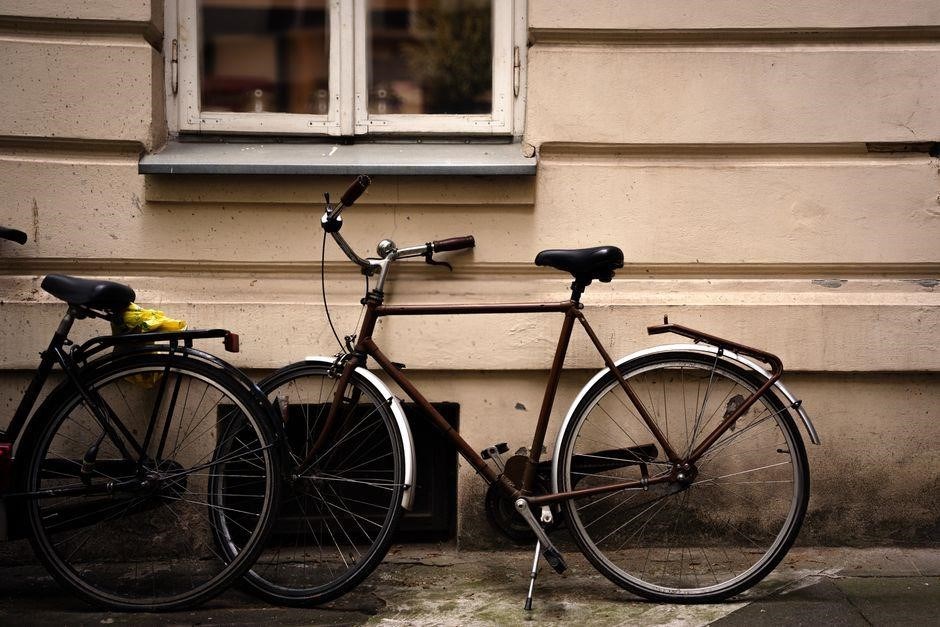
Bicycle Types and Intended Use
Choosing a bike starts with its purpose. Road bikes excel on pavement‚ offering speed and efficiency. Mountain bikes tackle rough trails with robust frames and wide tires. Hybrid and city models blend comfort and practicality‚ ideal for commuting and casual rides. and versatile for weekend adventures. for all.
Road Bikes
Road bikes are designed for speed‚ efficiency‚ and long‑distance comfort on paved surfaces. They feature lightweight frames—often aluminum‚ chromoly‚ or carbon—combined with a drop‑handlebar geometry that places the rider in an aerodynamic position. The frame’s narrow shape reduces wind resistance‚ while the stiff‚ short‑stiffness design delivers power transfer from the pedals to the wheels with minimal flex. This makes them ideal for racing‚ touring‚ and commuting where speed matters.
- Frame materials: Aluminum offers a good balance of weight and affordability‚ chromoly provides extra durability‚ and carbon excels in weight reduction and vibration dampening.
- Wheelset: Lightweight alloy or carbon wheels lower rotational mass‚ improving acceleration and climbing. Tubeless setups reduce punctures and allow lower tire pressures for better traction.
- Drivetrain: A 1x or 2x gearing system with a wide cassette (e.g.‚ 11–28t) gives a broad range for varied terrain‚ while a 1x system simplifies shifting. A 2x system offers more precise gear selection for racing.
When shopping‚ consider the bike’s intended use: a racing model prioritizes stiffness and aerodynamics‚ while a touring bike emphasizes comfort‚ storage mounts‚ and a robust drivetrain. Test rides and professional fitting can help you find the best match for your goals and body geometry.
Maintenance for road bikes is relatively low but essential: regular chain cleaning‚ tire pressure checks‚ and brake pad inspection keep performance optimal. Accessories such as a lightweight helmet‚ a bike computer‚ and a clip‑in shoe can enhance safety and efficiency. Price ranges vary: entry‑level aluminum models start around $500‚ mid‑range chromoly bikes hover near $1‚500‚ and top‑end carbon frames can exceed $5‚000.
For riders on a budget‚ a used bike can offer significant savings‚ but always inspect for frame cracks and worn components.

Mountain Bikes
Mountain bikes are engineered for off‑road performance‚ featuring robust frames‚ wide tires‚ and suspension systems that absorb rough terrain. The geometry is more upright than road bikes‚ providing stability and control on descents and technical sections. Frame materials—aluminum‚ chromoly‚ and carbon—offer a trade‑off between weight‚ stiffness‚ and durability. Carbon frames deliver the lightest weight and best vibration damping‚ while chromoly provides a stronger‚ more affordable option for aggressive riding.
The suspension is a key differentiator: hardtail models have front‑end suspension only‚ keeping weight down and maintenance simple‚ whereas full‑suspension bikes add a rear shock for maximum traction and comfort on steep climbs and jumps. Wheel size also matters; 29‑inch wheels roll over obstacles more easily‚ while 27.5‑inch wheels offer tighter handling in tight corners.
Drivetrain choices range from 1×12 to 2×12 setups. A 1x system simplifies shifting and reduces weight‚ but a 2x system gives a wider gear range for varied terrain. Gear ratios should match your riding style: a lower gear ratio is beneficial for steep climbs‚ while a higher ratio suits flat‚ fast sections.
Brake selection is critical: hydraulic disc brakes provide consistent stopping power in wet or muddy conditions‚ whereas rim brakes are lighter and cheaper but less effective on slick surfaces. Tire width (2.5–3.5) inches and tread pattern must match the expected terrain—slick for pavement‚ knobby for rock or mud.
When buying‚ test rides are essential. Check for frame cracks‚ especially in older models‚ and ensure the suspension travel matches your weight and riding style. After‑sales support varies by brand; some offer extensive warranties on components‚ while others rely on local shops for repairs. Maintenance costs include periodic replacement of tires‚ brakes‚ and suspension fluid‚ as well as chain and cassette wear.
Budget ranges from $400 for entry‑level hardtails to $3‚000+ for high‑end full‑suspension models. Used bikes can provide good value‚ but always inspect for wear and damage. A professional bike fit can fine‑tune geometry‚ saddle height‚ and handlebar reach to reduce fatigue and improve performance. Enjoy the ride! Have fun.!!
Hybrid & City Bikes
Hybrid and city bikes blend road‑bike speed with cruiser comfort. Step‑through or low step‑over frames make mounting easy for commuters and casual riders. Most offer 8‑ or 9‑speed drivetrains‚ giving a wide gear range for city streets and light hills while keeping maintenance simple. 9‑speed chromoly models are built for distance‚ with a sturdy yet supple frame that handles long rides and occasional gravel. Step‑through models with 3‑speed gearing suit riders who prioritize ease over speed‚ while 8‑speed hybrids balance performance and affordability. Brakes are usually rim or hydraulic disc‚ with the latter preferred for wet conditions. When shopping‚ consider frame material—aluminum offers a good mix of weight and cost‚ while carbon reduces vibration for longer trips. A proper fit is essential; check standover height‚ reach‚ and stack to avoid strain. Choose a hybrid that matches your commute‚ terrain‚ and comfort‚ and enjoy its blend of speed‚ comfort‚ and practicality. Tire widths of 2.0–2.5 inches provide a smooth ride on asphalt and light gravel‚ and many hybrids include fenders‚ racks‚ and integrated lighting for practical commuting. Maintenance costs are moderate; tires‚ brakes‚ and chains need periodic replacement‚ but the simpler drivetrain reduces long‑term wear. Enjoy the ride!
Many city models include integrated storage such as rear or front panniers‚ a top‑tube bag‚ or a built‑in lock‚ making it easy to carry groceries or work supplies. The step‑through frame allows a relaxed riding position‚ reducing neck and back strain on longer commutes. When selecting a bike‚ consider the terrain: a 3‑speed drivetrain suits flat neighborhoods‚ whereas a 9‑speed model offers better hill climbing. Test rides are crucial—feel how the bike handles corners‚ how the brakes respond‚ and whether the saddle and handlebars feel comfortable. Adjust saddle height‚ handlebar position‚ and stem length for a smooth‚ efficient pedaling motion. With the right hybrid or city bike‚ you’ll have a reliable‚ comfortable‚ and efficient companion for daily travel and weekend adventures alike. Ride safely! Stay happy.

Frame Geometry and Fit
Frame geometry shapes ride feel: drop‚ step‑through‚ cruiser. Fit hinges on standover height‚ reach‚ stack. Proper sizing reduces fatigue‚ boosts power. Test by standing over frame‚ adjusting saddle‚ handlebars‚ and checking comfort before purchase. Enjoy! Ride.
Frame Materials (Aluminum‚ Chromoly‚ Carbon)
Aluminum frames are lightweight‚ affordable‚ and offer a lively ride with moderate compliance‚ ideal for commuters and entry‑level racers. Chromoly (steel alloyed with chromium and molybdenum) provides a stiffer‚ durable structure; though heavier‚ it delivers a smooth‚ forgiving feel‚ suited for long‑distance touring or riders valuing longevity.
Carbon fiber excels in strength‑to‑weight ratio. Advanced lay‑up techniques tailor stiffness and damping‚ absorbing road vibrations while maintaining responsiveness. It’s the go‑to for high‑performance road and gravel bikes‚ though costs are higher and repairs more complex.
Manufacturing methods differ: aluminum frames are extruded or forged‚ giving consistent fatigue resistance; chromoly frames use lugged or welded joints‚ allowing classic aesthetics and repairability; carbon frames are molded in one piece or segments‚ enabling strategic placement of layers for stiffness or compliance.
Maintenance varies: aluminum tolerates minor impacts and can be repaired with epoxy; carbon requires professional assessment after cracks; chromoly’s steel nature allows welding or lug replacement but needs rust protection. Price ranges: aluminum $200–$800‚ chromoly $400–$1‚200‚ carbon $800–$3‚000+;
Choosing material balances budget‚ intended use‚ and personal preference. Test rides and local bike fitter advice help determine which frame best aligns with comfort and performance goals. Consider all for you Thanks soon
Frame Geometry (Drop‚ Step-through‚ Cruiser)
Drop geometry‚ the classic road bike shape‚ positions the rider forward with a steep head tube and a low seat tube angle. This arrangement shortens the wheelbase‚ increases responsiveness‚ and places the rider in a streamlined posture for speed and efficiency on paved surfaces. It’s ideal for competitive racing‚ long‑distance touring‚ and any riding that prioritizes aerodynamic advantage.
Step‑through geometry‚ common on city and hybrid models‚ features a low top tube or no top tube at all‚ allowing easy mounting and dismounting. The relaxed head tube angle and longer wheelbase create a comfortable‚ upright riding position‚ making it perfect for urban commuting‚ errands‚ and casual weekend rides. The design also reduces the risk of knee injury on uneven sidewalks.
Cruiser geometry‚ found on classic beach cruisers and some touring bikes‚ blends a high seat tube angle with a wide‚ low standover height. The frame is built for stability and a relaxed‚ almost “sitting‑on‑the‑bike” feel. This geometry is favored by riders who value comfort over speed‚ such as those who enjoy leisurely rides along rivers‚ coastal paths‚ or scenic routes where a laid‑back posture is more important than aggressive handling;
Bike Fit Process (Standover Height‚ Reach‚ Stack)
Proper fit begins with the standover height‚ ensuring the rider can clear the top tube comfortably. A common rule is to leave a 2–4 inch gap between the rider’s inseam and the top tube. Next‚ reach measures the horizontal distance from the seat to the handlebars; it dictates how far forward the rider sits. A too‑long reach can cause back strain‚ while a too‑short reach may feel cramped. Stack‚ the vertical distance from the seat to the handlebars‚ determines the overall height of the riding position. Adjusting saddle height‚ stem length‚ and handlebar height allows fine‑tuning of stack to match the rider’s torso length and arm reach. Together‚ these three metrics—standover‚ reach‚ and stack—form the foundation of a comfortable‚ efficient riding posture that reduces fatigue and improves control. Professional fitting sessions can refine these measurements further‚ but even a basic assessment using a simple standover test and a ruler for reach and stack will help buyers select a frame size that feels natural and safe. Remember‚ a well‑fitted bike not only enhances performance but also protects against injury over time.
In addition to the primary dimensions‚ saddle position—both fore‑aft and angle—plays a critical role. A saddle that is too far forward can overextend the knees‚ while one that is too far back may cause the rider to lean excessively‚ increasing back load. Adjusting the saddle fore‑aft by a few millimeters can dramatically improve pedaling efficiency. Saddle angle should be level or slightly tilted upward at the front to reduce pressure on the sit bones. Handlebar width and height also influence shoulder and neck posture; a wider bar can reduce shoulder strain‚ whereas a higher bar can lift the elbows‚ easing neck tension. Finally‚ the stem length and angle determine how the rider’s elbows and shoulders align with the frame. A longer stem pushes the rider forward‚ increasing reach‚ while a shorter stem brings the rider closer to the handlebars‚ reducing reach. By systematically adjusting these variables‚ riders can fine‑tune their fit to match riding style‚ comfort preferences‚ and any existing musculoskeletal concerns.
This process ensures a fit that balances comfort with performance‚ longer rides without discomfort. now
Components and Performance
Components shape a bike’s performance. Lightweight frames‚ efficient drivetrains‚ and reliable brakes create a smooth ride. Higher gear ratios boost speed; wider ranges help climbs. Disc brakes give consistent stopping power‚ while rim brakes are lighter and cost-effective. Balance these for your style. today!
Drivetrain (Speed‚ Gearing)
Drivetrain selection defines how a bike responds to effort. Modern groupsets range from 10‑speed to 12‑speed‚ offering a balance between weight and gear spread. Compact cranks (50/34T) give tighter gearing for city climbs‚ while standard (53/39T) cranks provide a broader range for mixed terrain. A 11‑28T cassette delivers a 1.36:1 ratio‚ ideal for steep hills; a 11‑32T cassette offers a 1.54:1 ratio‚ favoring speed on flat roads. Internal‑gear hubs like Shimano Nexus 8‑speed simplify shifting and reduce maintenance‚ but limit top speed. For gravel‚ a 3‑speed hub such as the Shimano Alfine 8‑speed balances low maintenance with enough low gears. Electronic shifting (Shimano Di2‚ SRAM eTap) gives precise‚ programmable shifts but adds cost and battery upkeep; mechanical derailleurs remain reliable and easier to repair on the trail. Chain length is calculated by (largest chainring + smallest cog) × 2‚ then add 2–3 cm. Proper chain tension and regular cleaning extend drivetrain life. Ultimately‚ choose a drivetrain that matches your terrain‚ riding style‚ and maintenance comfort.
When evaluating gear ratios‚ calculate the lowest gear by dividing the smallest chainring by the largest cog. For example‚ a 34‑T chainring with a 32‑T cog gives a 1.12 ratio‚ allowing a rider to pedal comfortably on steep gradients. The highest gear is found by dividing the largest chainring by the smallest cog; a 53‑T chainring with a 11‑T cog yields a 4.82 ratio‚ enabling high‑speed sprinting on flat terrain. Keep in mind that a well‑maintained drivetrain can last many thousands of miles‚ so investing in quality components and regular service pays off in the long run. and durability.
Drivetrain selection defines how a bike responds to effort; Modern groupsets range from 10‑speed to 12‑speed‚ offering a balance between weight and gear spread. Compact cranks (50/34T) give tighter gearing for city climbs‚ while standard (53/39T) cranks provide a broader range for mixed terrain. A 11‑28T cassette delivers a 1.36:1 ratio‚ ideal for steep hills; a 11‑32T cassette offers a 1.54:1 ratio‚ favoring speed on flat roads. Internal‑gear hubs like Shimano Nexus 8‑speed simplify shifting and reduce maintenance‚ but limit top speed. For gravel‚ a 3‑speed hub such as the Shimano Alfine 8‑speed balances low maintenance with enough low gears. Electronic shifting (Shimano Di2‚ SRAM eTap) gives precise‚ programmable shifts but adds cost and battery upkeep; mechanical derailleurs remain reliable and easier to repair on the trail. Chain length is calculated by (largest chainring + smallest cog) × 2‚ then add 2–3 cm. Proper chain tension and regular cleaning extend drivetrain life. Ultimately‚ choose a drivetrain that matches your terrain‚ riding style‚ and maintenance comfort.
Brakes (Disc vs Rim)
Disc brakes dominate performance bikes‚ delivering consistent stopping power in wet or muddy conditions. Hydraulic discs use pistons and fluid for smooth modulation and minimal lever effort; mechanical discs rely on cable tension‚ lighter but less precise. Rim brakes—caliper or cantilever—are lighter and simpler‚ yet their force depends on rim condition and drops in rain or when worn. Disc rotors come in 160 mm or 180 mm; larger rotors improve heat dissipation‚ essential for downhill or long climbs. The choice also affects tire width: rims for rim brakes are narrower‚ limiting ultra‑wide tires common on gravel or touring bikes. Maintenance differs: disc systems need rotor cleaning and pad replacement‚ while rim brakes require rim sanding and pad alignment. Cost adds 30–50 % to the bike’s price and may increase weight by 200–300 g‚ but many riders value the reliability and safety margin. For commuters and city riders‚ rim brakes may suffice‚ especially on 700 c rim tires‚ but for trail‚ gravel‚ or touring use‚ disc brakes provide a superior stopping experience. Disc brakes also allow easier integration of electronic shifting and power‑meter systems‚ as the brake lever can sit closer to the handlebar without interference from a rim brake assembly. Some manufacturers offer “dual‑mode” brakes that can switch between rim and disc‚ but these are rare and add complexity. Riders on steep‚ technical descents often prefer the predictable fade resistance of a 180 mm disc rotor‚ while casual riders on flat roads may find rim brakes adequate and more economical. Finally‚ the choice can influence the bike’s geometry: disc brakes require larger dropout spacing (142 mm for road‚ 148 mm for mountain)‚ affecting frame stiffness and weight distribution. Understanding these trade‑offs helps buyers match brake type to riding style and budget. Choice affects resale value!!
Buying Strategy: Budget‚ Shopping‚ and Maintenance
Start with a clear budget: new bikes range $300‑$3‚000‚ used can drop 30‑50%. Shop local shops for fitting‚ test rides‚ and after‑sales support. Compare online retailers for discounts‚ but beware hidden shipping. Plan maintenance: oil‚ tire pressure‚ and annual tune‑ups to keep costs low. shop spare parts.!!
New vs Used Market
When deciding between new and used‚ consider price‚ warranty‚ and condition. A brand‑new bike from a reputable dealer such as Brooklyn Bicycle Co. (updated Aug 22‚ 2026) offers a full warranty‚ factory‑tuned components‚ and the latest frame geometry. The initial cost can be 30‑50% higher than a comparable used model‚ but you gain peace of mind and the ability to test ride multiple frames in a single visit. Used bikes‚ on the other hand‚ often sit in the $300‑$1‚200 range‚ making them attractive for budget‑conscious riders. However‚ the condition varies: a 2024 model may still have a fresh chain‚ while a 2019 frame could have hidden wear on the headset or a cracked fork. Always inspect the frame for cracks‚ dents‚ and paint damage‚ and check the brakes‚ tires‚ and drivetrain for wear. A good rule of thumb is to buy a used bike that is no more than two years old and has been well maintained by a reputable shop. Many local shops‚ such as the Global Bikes store in Chandler‚ offer a “used bike inspection” service‚ ensuring that the bike meets safety standards before you take it home. Online marketplaces can offer lower prices‚ but you risk missing hidden damage. If you choose a used bike‚ factor in the cost of a tune‑up‚ new tires‚ and possibly new brakes. Finally‚ consider resale value: a new bike retains about 40‑50% of its value after one year‚ while a used bike may drop 20‑30% in the first year. Balancing these factors will help you make an informed decision that fits both your budget and riding goals. Remember‚ a well‑chosen bike becomes a reliable partner for years of adventure
After‑Sales Support and Maintenance Costs
After‑sales support is a critical factor when buying a bike. A reputable dealer such as Brooklyn Bicycle Co. offers a 12‑month warranty on components‚ tune‑ups‚ and a service desk for troubleshooting. For new bikes‚ the maintenance cost is low: a basic tune‑up (chain cleaning‚ brake adjustment‚ tire pressure check) averages $50–$70‚ while a full service (changing chain‚ cassette‚ chainrings‚ and derailleur) can run $120–$180. Used bikes often need more frequent attention; a 2019 model may require a new chain‚ cassette‚ and brake pads‚ totaling $80–$120. In both cases‚ replacement parts cost is a major consideration. For example‚ a Shimano 11‑speed cassette costs $40–$60‚ a new chain $25–$35‚ and brake pads $15–$25. Tire replacement is another recurring expense: a 700c road tire costs $20–$40‚ while a 26″ mountain tire can be $30–$50. If you ride often‚ a wheelset can reduce maintenance: a carbon rim can last 3‚000–4‚000 miles‚ whereas a steel rim may need replacement after 1‚500–2‚000 miles. Many shops offer a “maintenance package” that bundles a yearly service for a flat fee‚ which can save money over time. Additionally‚ local bike shops often provide free repair services for customers who purchase from them‚ and they can source OEM parts quickly. Finally‚ consider resale value: a bike that has been well maintained will fetch 30–40% of its original price after three years‚ whereas a neglected bike may drop below 20%. By planning for after‑sales support and budgeting for maintenance‚ you can keep your bike running smoothly and extend its lifespan. Regular maintenance preserves performance and safety‚ reducing costly repairs and peace !