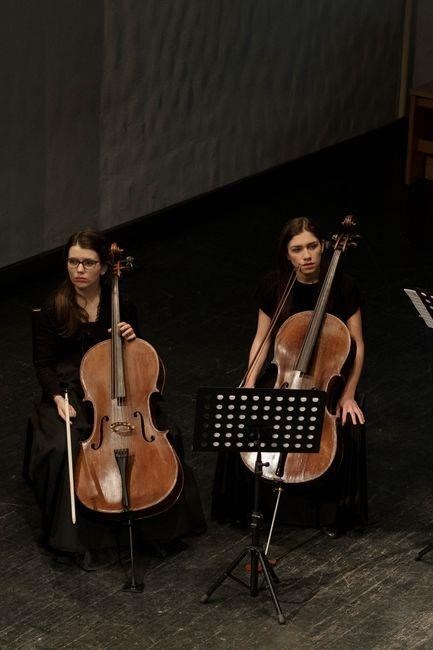
Discover the Suzuki Book 4 Cello PDF, a comprehensive digital edition that offers a clear, high‑resolution layout of the fourth volume in the Suzuki cello series․ It includes all original scores, exercises, performance notes, making it ideal for students and teachers seeking a reliable portable resource․

Content Overview
The Suzuki Book 4 Cello PDF presents a curated selection of pieces and technical studies, featuring folk tunes, classical excerpts, and rhythmic drills․ Each page is annotated with tempo markings, dynamics, and fingering suggestions, ensuring a structured learning path for intermediate cellists․ Enjoy․ Learn․
Exercises and Pieces Covered

Within Suzuki Book 4, the cello repertoire expands to include a balanced mix of technical studies, folk melodies, and short classical pieces, all carefully arranged to reinforce the fundamentals introduced in earlier volumes while introducing new challenges․ The exercises are grouped into thematic sections: the first section focuses on bowing fundamentals—long, even strokes, half‑strokes, and spiccato—each accompanied by simple rhythmic patterns that reinforce timing and articulation․ The second section introduces double‑stop techniques, beginning with two‑note chords and progressing to more complex intervals, encouraging students to develop a clear, resonant tone across the entire string set․ The third section explores shifting and position changes, with exercises that require smooth transitions between first, second, and third positions, fostering intonation accuracy and hand coordination․ The fourth section presents a series of short, lyrical pieces such as “The Old Mill” and “Morning Dew,” which allow students to apply the technical skills in musical contexts, focusing on phrasing, dynamics, and expressive nuance․ The final section contains a selection of ensemble excerpts, including a duet with piano and a trio arrangement, designed to give students experience in collaborative playing and listening skills; Each piece is annotated with tempo markings, dynamic indications, and fingering suggestions, ensuring that learners can approach the material with confidence and clarity․ The PDF format preserves the original layout, making it easy to follow along on any device, while the high‑resolution scans guarantee that every detail—from the subtle slurs to the precise fingering numbers—is visible and legible․ Whether used for self‑study or in a classroom setting, this collection provides a comprehensive, well‑structured pathway for intermediate cellists to develop both technical proficiency and musicality․ In addition, the book includes a set of rhythmic drills that emphasize syncopation and dotted rhythms, helping students internalize complex patterns․ A brief theoretical section outlines key signatures and simple harmonic progressions, reinforcing the connection between technique and musical structure․ The exercises are designed to be completed in short, focused sessions, allowing students to build stamina without sacrificing quality․ The PDF also offers optional practice guides, suggesting rehearsal strategies and time‑management tips for efficient learning․ Moreover, the volume includes a curated list of recommended recordings and performance videos, enabling students to hear exemplary interpretations and model their own playing․ The inclusion of a practice log sheet encourages reflection on progress, while the clear, color‑coded layout aids quick navigation through the material․ Together, these elements create a rich, engaging learning experience that balances technical rigor with musical expression․ Enjoy mastering․

Technical Focus Areas
In Suzuki Book 4, the technical curriculum is meticulously structured to build upon the foundational skills of earlier volumes while introducing new challenges that deepen a student’s mastery of the cello․ The first focal point is bowing technique: long, even strokes, half‑strokes, spiccato, and the emerging use of spiccato‑sforzando, all designed to cultivate a consistent, resonant tone across all registers․ Students are encouraged to experiment with bow speed and pressure, learning how subtle adjustments affect timbre and sustain․ The next area of emphasis is left‑hand agility, particularly shifting between first, second, and third positions․ Exercises that require rapid, clean position changes reinforce intonation accuracy and develop muscle memory for seamless transitions․ Double‑stop studies progress from simple intervals to more complex chords, teaching students to maintain a balanced sound between strings while keeping their left‑hand fingers close to the bridge for optimal intonation․ Vibrato is introduced in a controlled manner, with exercises that focus on a steady, even motion, ensuring that students can add expressive nuance without compromising pitch stability․ Rhythm and meter are reinforced through rhythmic drills that incorporate syncopation, dotted rhythms, and compound meters, helping students internalize pulse and phrasing․ Tone production is addressed through long‑bow exercises that emphasize a full, singing sound, while breath‑controlled phrasing encourages musicality and dynamic contrast․ The book also includes a series of short, lyrical pieces that serve as practical applications of these technical skills, allowing students to translate technique into expressive performance․ Each exercise is annotated with tempo markings, dynamic indications, and fingering suggestions, providing clear guidance for self‑study and classroom instruction․ By systematically addressing these technical focus areas, Suzuki Book 4 equips intermediate cellists with the tools they need to advance confidently toward more advanced repertoire․ Additionally, the volume offers a concise theoretical overview, covering key signatures, simple harmonic progressions, and basic form analysis․ This contextual knowledge supports technical exercises by linking them to musical structure, encouraging students to see each technical challenge as part of a larger musical narrative․ The PDF format allows students to annotate directly on the score, marking areas that need extra practice, and to print specific pages for focused study sessions․ With these combined resources, learners can systematically track progress, identify weak spots, and celebrate incremental improvements, fostering a growth mindset that is essential for long‑term development on the cello․ Practice consistently, and the results will follow․

Benefits of Using PDF Format
PDFs offer instant access, no physical storage, and easy sharing․ They preserve original formatting, allowing precise fingerings and dynamics․ Students can zoom, annotate, and print sections, enhancing focus․ Digital copies reduce cost, support eco‑friendly learning, and provide reliable backups․ for all․and

Accessibility and Portability
With a Suzuki Book 4 Cello PDF, students gain instant, on‑demand access to the full curriculum from any device—desktop, tablet, or phone—without the need for physical copies․ The digital format ensures that the score remains fully legible, with high‑resolution images that preserve the original layout, fingerings, and dynamic markings․ Portable PDFs can be stored on cloud services, allowing musicians to carry an entire book in their pocket, ready for practice sessions, lessons, or performance rehearsals․ The ability to zoom in and out on individual measures or passages eliminates the frustration of cramped printouts, while the search function quickly locates specific exercises or pieces—both of which sync across devices․ PDFs are lightweight files that can be shared instantly via email, ensuring that teachers and peers can review or provide feedback in real time in the app!!․ The portability of a digital score also supports travel, allowing students to maintain consistent practice routines even when away from home or school․ Because PDFs can be opened offline, students can practice even without an internet connection, ensuring uninterrupted learning․ Annotating with color highlights and comments allows for study notes that persist across sessions․ The digital format supports integration with learning management systems, enabling teachers to track progress and assign practice tasks from the PDF․ The environmental benefit of eliminating paper aligns with sustainable educational practices, reducing waste․
Cost Efficiency
Purchasing a Suzuki Book 4 Cello PDF offers significant savings compared to traditional print editions․ The initial purchase price is typically a fraction of the cost of a physical book, and there are no recurring fees for reprinting or shipping․ Because the file can be downloaded once and used indefinitely, students avoid the cumulative expense of buying multiple copies for different instruments or for future reference․ Digital distribution eliminates the need for costly binding, paper, and ink, reducing the overall production cost that is passed on to the consumer․ Additionally, libraries and schools can license a single PDF for multiple users, spreading the cost across many students and eliminating the need for each student to buy an individual copy․ The ability to share a single licensed PDF with peers or teachers via secure links further reduces the financial burden․ Moreover, the PDF format allows for easy updates; if revisions are made to the score or annotations, a new version can be distributed at no extra cost, ensuring that students always have the most current material without purchasing a new book․ This combination of low upfront cost, no ongoing expenses, and the flexibility of digital distribution makes the PDF format an economically attractive option for both individual learners and educational institutions․
The PDF’s built‑in bookmarking feature lets students access sections․ Its lightweight file can be stored on USB or cloud, ensuring practice materials are always within reach, no matter where the student is
Legal Considerations and Copyright
The Suzuki Book 4 Cello PDF is protected by copyright law․ Unauthorized copying or distribution violates intellectual property rights․ Always obtain the file from licensed sources to respect authors and publishers, legal compliance and supporting future editions․
Copyright Laws for Music Scores
Copyright laws governing music scores are designed to protect the creative expression of composers, arrangers, and publishers․ In most jurisdictions, the protection is automatic upon creation, requiring no formal registration․ The duration of protection varies: typically the life of the author plus 70 years, though some countries extend to 95 years after publication for works with a known author․ For anonymous or pseudonymous works, the term is 95 years from publication or 120 years from creation, whichever is shorter․ The law grants exclusive rights to reproduce, distribute, perform publicly, and create derivative works․ Digital reproductions, such as PDF files, fall under the same umbrella; unauthorized copying or sharing of a Suzuki Book 4 Cello PDF would constitute infringement․ Fair use provisions allow limited use for criticism, comment, news reporting, teaching, scholarship, or research, but the scope is narrow and context‑dependent․ The doctrine of “public domain” applies when the copyright term expires or if the work was never eligible for protection, such as works created before 1927 in the United States․ In the digital age, the Digital Millennium Copyright Act (DMCA) in the U․S․ and similar legislation worldwide impose anti‑circumvention rules, making it illegal to bypass technical protection measures․ However, the law also recognizes “copyright‑free” works, which can be freely distributed and modified․ When purchasing or downloading a Suzuki Book 4 Cello PDF, it is essential to verify that the source is authorized by the rights holder․ Violations can lead to civil penalties, statutory damages, or criminal prosecution․ Therefore, respecting copyright not only protects the rights of creators but also ensures that musicians have access to reliable, legally compliant resources․ Artists depend on these rules to keep creative works alive today․
Obtaining Authorized Copies
To acquire a legitimate Suzuki Book 4 Cello PDF, start by visiting the official Suzuki website or the publisher’s online store, where the latest digital editions are sold directly․ Many retailers offer a one‑time purchase or a subscription model that grants lifetime access to the PDF file, ensuring you receive the most up‑to‑date version with all editorial corrections․ If you prefer a library option, check university or public library catalogs for a loanable digital copy; many institutions now provide e‑book lending services that include music scores․ For educators, bulk licensing agreements are available through educational distributors, allowing multiple copies to be distributed to students at a reduced rate․ Always verify that the seller displays a valid license or copyright notice, and avoid sites that offer free downloads without clear authorization․ Purchasing through authorized channels guarantees that you comply with copyright law and that the composer’s and publisher’s rights are respected; Additionally, authorized PDFs often come with supplemental materials such as teacher’s guides, audio recordings, or interactive features that enhance the learning experience․ By choosing a reputable source, you support the continued production of high‑quality instructional materials and help sustain the Suzuki program’s global reach․ When purchasing, check that the PDF is in a standard format compatible with most devices․ Some vendors provide an optional audio track that plays the correct tempo, which can be useful for ear training․ Teachers may wish to annotate the PDF directly, and many platforms allow cloud syncing so that changes appear on all devices․ Use cloud storage․ and share․ Enjoy learning!!!․

Where to Find Suzuki Book 4 Cello PDF
Explore official Suzuki sites, authorized distributors, and reputable e‑book platforms for the Suzuki Book 4 Cello PDF․ Digital copies are sold directly, often bundled with audio guides, and can be downloaded to tablets or PCs․ Libraries and educational portals offer licensed e‑versions for students and teacher․

Official Publisher Websites
For those seeking the most authentic and reliable source of the Suzuki Book 4 Cello PDF, the first stop is the official, Suzuki website․ The publisher’s online portal offers a secure, DRM‑protected download that guarantees the exact layout, notation quality, and accompanying audio files that accompany the physical book․ By purchasing directly, users receive a license that permits personal use, classroom instruction, and distribution to students, ensuring compliance with copyright law․ The site also provides supplementary materials such as teacher’s guides, practice logs, and performance recordings, all integrated into a single, user‑friendly interface․ In addition to Suzuki’s own platform, Bärenreiter, the renowned German music publisher, hosts a digital edition of the book․ Their e‑sheet‑music service delivers a high‑resolution PDF that is compatible with PDF readers, music notation software, and portable devices․ Bärenreiter’s version includes interactive features like tempo markings, dynamic annotations, and a searchable database of the entire Suzuki cello curriculum․ For educators who prefer a subscription model, the Suzuki e‑Learning platform offers a bundled package that includes the PDF, video lessons, and progress tracking tools․ This option is especially useful for schools and conservatories that need to manage multiple student accounts․ Finally, the Suzuki official store on Amazon and other major e‑commerce sites often lists the PDF as a digital download․ These listings are vetted by the publisher, ensuring the file is authentic․
Educational Resource Platforms
Online educational resource platforms provide a convenient way to obtain Suzuki Book 4 Cello PDFs․ Sites such as Sheet Music Plus, Musicnotes, and Virtual Sheet Music offer secure downloads that preserve the original layout, page numbers, and editorial notes essential for proper practice․ Users can preview the score before purchase, ensuring the edition matches the physical book․ Many platforms bundle the PDF with audio recordings, teacher’s annotations, and practice logs, helping students track progress and receive immediate feedback; Institutions benefit from bulk licensing options, granting a single license for all students and simplifying distribution․ Compatibility with notation software like Sibelius or Finale allows teachers to annotate scores directly within the PDF․ The digital format is searchable, making it easy to locate specific passages or technical exercises—useful for advanced students studying a particular passage․ Cloud storage enables access from any device—laptop, tablet, or smartphone—without physical copies, supporting a mobile learning environment․ Community forums on these platforms let students discuss challenges, share performance videos, and receive feedback from peers and instructors, fostering motivation and a sense of belonging․ Analytics dashboards track usage statistics, informing teachers about which sections students spend most time on and where they may struggle, enabling targeted interventions․ Accessibility features such as zoom, contrast adjustment, and screen reader compatibility ensure students with visual impairments can fully engage with the material․ Overall, these platforms simplify acquisition and enrich the learning experience with added tools, community support, and data insights․ These resources also offer multilingual support, enabling non‑English speakers to access editorial commentary in their native language, further broadening accessibility today․ Everywhere!!!․