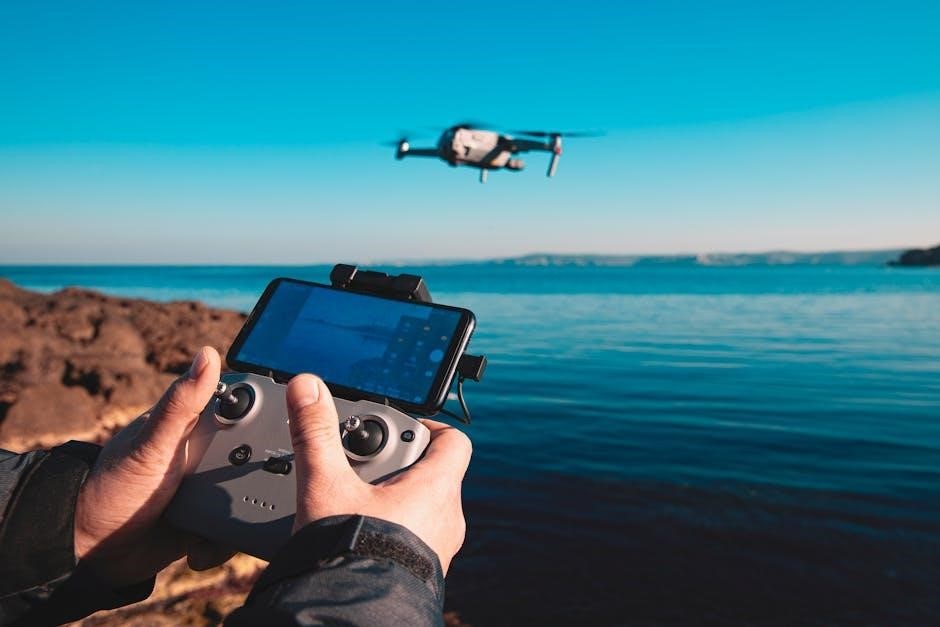
DJI Mavic drones represent a pivotal evolution in aerial technology‚ offering portability and advanced features.
These user manuals‚ tutorials‚ and safety guidelines empower pilots to maximize their drone experience.
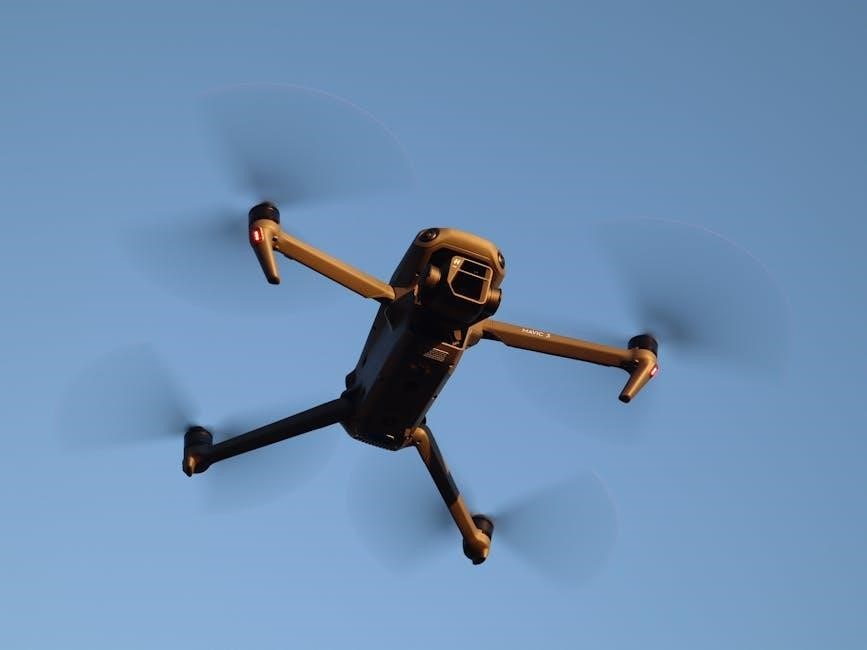
From the Mavic Pro’s innovative design to the Mavic 3 Pro’s camera capabilities‚ understanding these resources is crucial.
What is the DJI Mavic Series?
The DJI Mavic series is a line of compact‚ consumer-grade camera drones renowned for their portability and intelligent flight capabilities. Beginning with the revolutionary Mavic Pro‚ these drones feature foldable arms‚ making them easily transportable for aerial photography and videography enthusiasts. The series has expanded to include models like the Mavic Air‚ Mavic Mini‚ and the flagship Mavic 3 Pro‚ each offering varying levels of features and performance.
Central to the Mavic experience is the DJI Fly app‚ which provides intuitive controls‚ real-time video transmission‚ and access to intelligent flight modes. User manuals‚ readily available as PDF documents‚ are essential for understanding the drone’s functionalities‚ safety guidelines‚ and proper operation. These resources‚ alongside official tutorial videos‚ ensure users can safely and effectively utilize their Mavic drone.
Key Features Across Mavic Models
Despite variations between models‚ several key features consistently define the DJI Mavic series. These include advanced camera stabilization systems‚ enabling smooth and cinematic footage‚ and intelligent flight modes like ActiveTrack and Point of Interest for automated shooting. Obstacle sensing‚ utilizing vision systems‚ enhances flight safety by detecting and avoiding collisions.
All Mavic drones benefit from the DJI Fly app’s user-friendly interface and real-time video transmission. Comprehensive user manuals‚ often available as PDFs‚ detail each feature’s operation and customization options. Safety is paramount‚ with features like Return to Home (RTH) and geofencing integrated across the series. Understanding these commonalities‚ as outlined in the official documentation and tutorials‚ is vital for maximizing the Mavic experience.
Understanding Different Mavic Models (Pro‚ Air‚ Mini‚ 3 Pro)
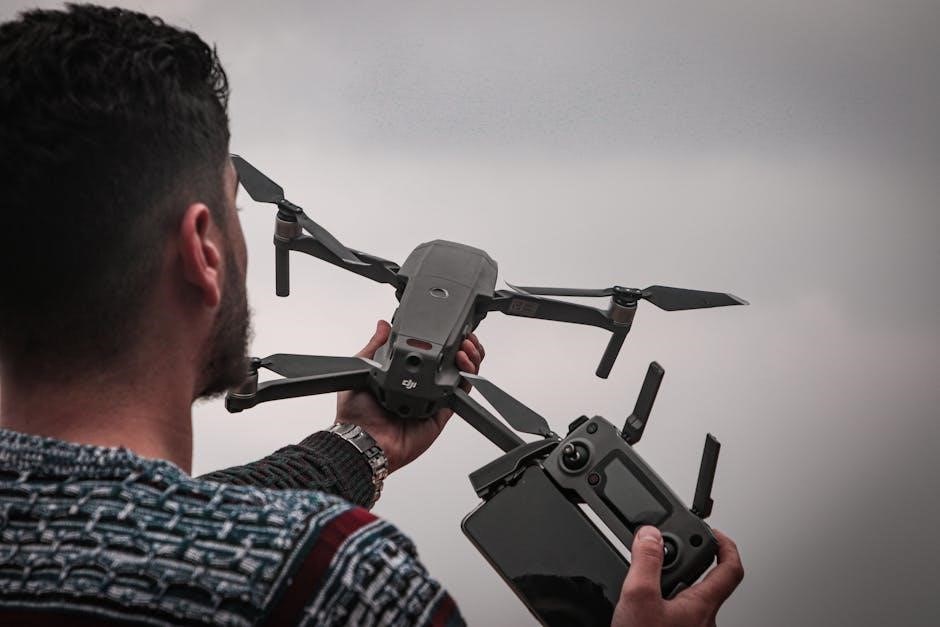
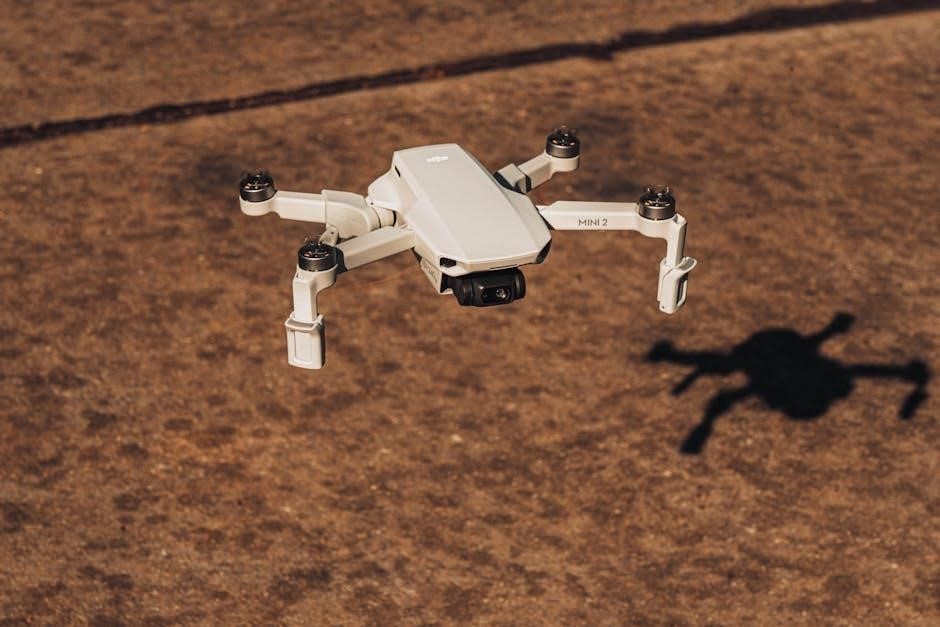
The DJI Mavic series caters to diverse needs‚ with each model offering a unique balance of features and portability. The Mavic Pro pioneered the compact‚ foldable design‚ while the Mavic Air series emphasizes ease of use and enhanced safety. Mavic Mini models prioritize lightweight portability‚ often requiring minimal registration.
The flagship Mavic 3 Pro boasts a multi-camera system and advanced intelligent features. Each model’s user manual‚ available for download as a PDF‚ details specific capabilities and operational nuances. Familiarizing yourself with the distinctions – camera resolution‚ flight time‚ obstacle avoidance – as detailed in official DJI resources and tutorial videos‚ ensures optimal performance and safe operation for your chosen Mavic drone.
Getting Started with Your DJI Mavic
DJI’s user manuals guide initial setup‚ emphasizing component checks and battery charging. Download the DJI Fly app‚ following on-screen instructions for activation and flight readiness.
Unboxing and Component Check
Carefully unpack your DJI Mavic‚ ensuring all listed components are present. The standard package typically includes the aircraft‚ remote controller‚ intelligent flight battery‚ propellers‚ a battery charger‚ and necessary cables. Thoroughly inspect each item for any physical damage sustained during shipping – report any issues immediately to the retailer or DJI support.
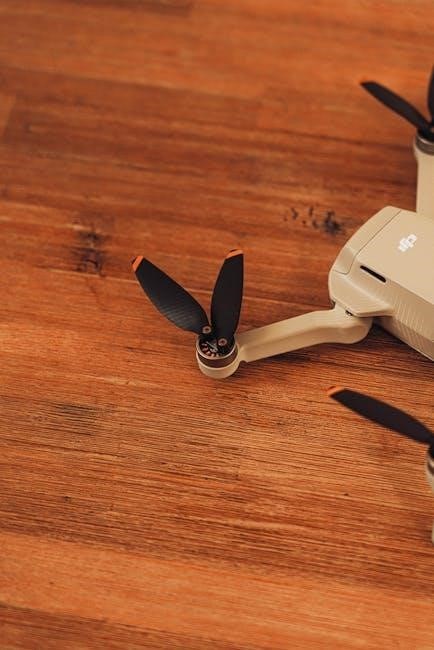
Verify the propeller sets are correctly matched (clockwise and counter-clockwise) and securely attached. Confirm the gimbal is free from obstructions and moves smoothly. Check the battery for any signs of swelling or damage. Familiarize yourself with the location of the power buttons on both the aircraft and remote controller. Refer to the included quick start guide or the full user manual for a detailed component list and visual references. A complete inventory ensures a safe and enjoyable first flight experience.
Charging the Batteries (Aircraft‚ Remote Controller‚ and Intelligent Flight Battery)
Proper battery charging is vital for optimal performance and longevity. Utilize the provided DJI battery charger and cables. Fully charge the Intelligent Flight Battery before the initial flight – this typically takes around 60-90 minutes. The charger’s LED indicators will signal completion;
Similarly‚ charge the remote controller fully; Avoid using third-party chargers‚ as they may damage the batteries. Monitor the charging process and never leave batteries unattended. Store batteries in a cool‚ dry place‚ away from direct sunlight and extreme temperatures. Always disconnect the battery once fully charged to prevent overcharging. Refer to the user manual for specific charging guidelines and safety precautions related to your Mavic model.
Downloading and Installing the DJI Fly App
The DJI Fly app is essential for controlling your Mavic drone and accessing its intelligent features. Download the app from the App Store (iOS) or Google Play Store (Android). Ensure your mobile device meets the app’s system requirements for optimal performance.
During installation‚ grant the app the necessary permissions‚ including access to location‚ camera‚ and storage. After installation‚ launch the app and create a DJI account or log in to an existing one. Follow the on-screen instructions to register your drone and activate it. An internet connection is required for activation. The app provides tutorials and safety guidelines‚ so familiarize yourself with them before your first flight.
Pre-Flight Checks and Safety
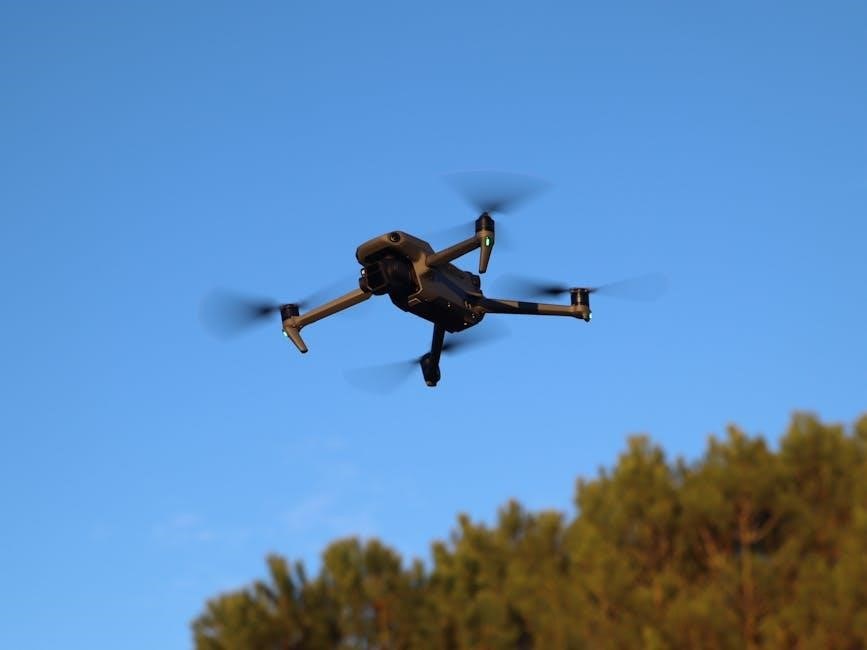
Prior to each flight‚ activate your Mavic‚ calibrate the compass‚ and review flight restrictions within the DJI Fly app for safe operation.
Aircraft and Remote Controller Activation
Activating your DJI Mavic is a crucial first step‚ ensuring full functionality and access to firmware updates. After unboxing‚ power on both the aircraft and the remote controller. The DJI Fly app will guide you through the activation process‚ requiring a stable internet connection.
Follow the on-screen instructions carefully‚ typically involving linking the drone to your DJI account. This process verifies your ownership and unlocks all features. Activation is essential for utilizing Intelligent Flight Modes and receiving important safety updates.
Ensure you are using the latest version of the DJI Fly app for a seamless activation experience. If encountering issues‚ consult the official DJI support website or user manual for troubleshooting steps. Proper activation guarantees a safe and enjoyable flying experience.
Compass Calibration
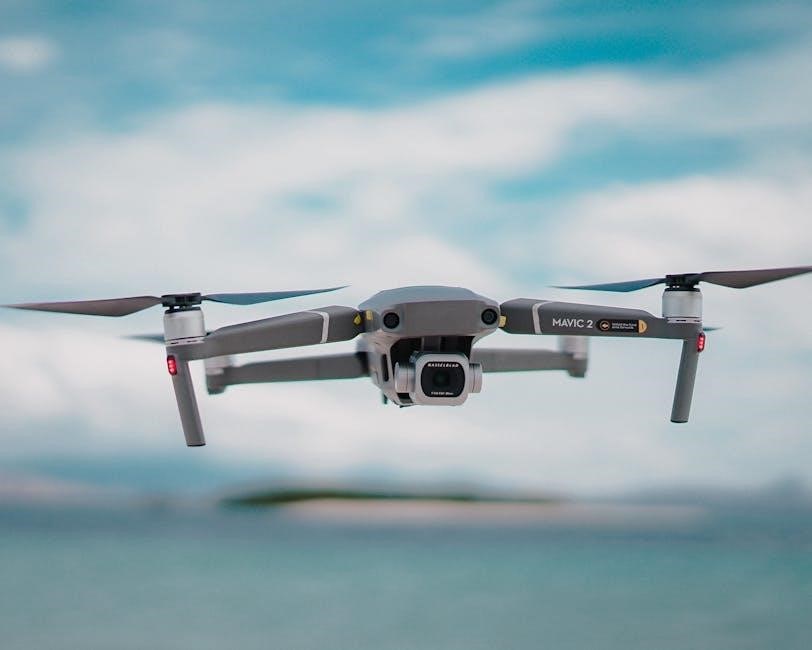
Compass calibration is vital for accurate flight performance and safe operation of your DJI Mavic. Magnetic interference can disrupt the drone’s navigation‚ leading to instability or loss of control. The DJI Fly app will prompt you to calibrate the compass before your first flight and periodically thereafter‚ especially when changing locations.
Follow the on-screen instructions precisely‚ which typically involve rotating the aircraft horizontally and vertically. Ensure you are in an open area‚ away from metal objects‚ power lines‚ and other sources of magnetic interference. A successful calibration is indicated by a green status in the app.
Recalibrate if you experience erratic flight behavior or if the app displays a compass error message. Refer to the user manual for detailed guidance and troubleshooting tips. Proper compass calibration is a cornerstone of safe and reliable drone operation.
Understanding Flight Restrictions and Geofencing
DJI Mavic drones incorporate geofencing technology and adhere to flight restrictions to ensure safety and compliance with regulations. These restrictions‚ displayed within the DJI Fly app‚ include no-fly zones around airports‚ sensitive infrastructure‚ and restricted airspace. Understanding these limitations is crucial before each flight.
The app provides real-time information on active geofences and may require authorization for flight in certain areas. Always check local regulations and airspace maps before flying. Ignoring these restrictions can result in fines‚ legal consequences‚ and potential safety hazards.
DJI continuously updates its geofencing database‚ so ensure your app and drone firmware are current. Responsible drone operation includes respecting airspace rules and prioritizing safety.
Flying Your DJI Mavic
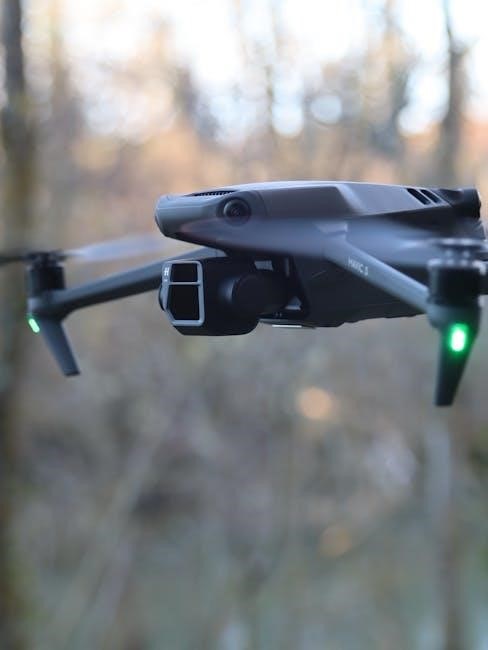
DJI’s user manuals detail basic flight controls‚ intelligent modes like ActiveTrack‚ and camera operation. Mastering these features unlocks the full potential of your Mavic drone.
Basic Flight Controls and Modes
DJI Mavic user manuals comprehensively explain fundamental flight controls‚ emphasizing the use of the remote controller’s joysticks for precise movement. Understanding these controls is paramount for safe and controlled flight. The manuals detail how to initiate takeoff and landing procedures‚ alongside adjustments for altitude and directional control.
Furthermore‚ they introduce various flight modes‚ including GPS mode for stable hovering and ATTI mode for manual control‚ offering pilots flexibility based on their skill level and environmental conditions. Quick Start Guides often visually demonstrate these controls. The documentation stresses the importance of practicing in an open area before attempting complex maneuvers.
Pilots are guided through understanding the implications of each mode and how to seamlessly transition between them. These resources ensure a confident and enjoyable flying experience‚ prioritizing safety and control at all times.
Intelligent Flight Modes (ActiveTrack‚ Point of Interest‚ Waypoints)
DJI Mavic user manuals dedicate significant sections to Intelligent Flight Modes‚ unlocking advanced aerial capabilities. ActiveTrack allows the drone to autonomously follow a selected subject‚ maintaining a consistent framing – ideal for dynamic shots. Point of Interest mode circles a designated subject‚ keeping it centered in the frame‚ creating cinematic orbital videos.
The manuals thoroughly explain how to set up and utilize Waypoints‚ enabling pre-planned flight paths for automated missions. These modes require careful planning and understanding of the surrounding environment. Tutorials often demonstrate practical applications and safety considerations.
Detailed instructions cover parameter adjustments‚ obstacle avoidance settings‚ and troubleshooting common issues. Mastering these modes elevates aerial videography and expands creative possibilities‚ all while prioritizing safe and controlled operation.
Camera Settings and Operation
DJI Mavic user manuals provide extensive guidance on camera settings‚ crucial for capturing high-quality aerial footage. They detail adjustable parameters like ISO‚ shutter speed‚ aperture‚ and white balance‚ explaining their impact on image quality. Manuals emphasize understanding different video profiles – Normal‚ Cine‚ and D-Log – and their respective benefits for post-production editing.
Step-by-step instructions cover operating the gimbal for smooth camera movements‚ utilizing various shooting modes (single‚ burst‚ interval)‚ and leveraging features like exposure compensation. Tutorials demonstrate how to achieve specific visual effects and optimize settings for diverse lighting conditions.
The manuals also address file formats‚ resolution options‚ and storage considerations‚ ensuring users maximize their camera’s potential.
Maintenance and Troubleshooting
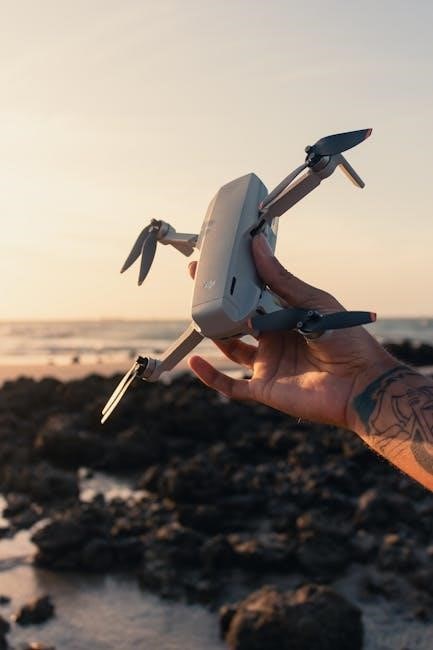
DJI Mavic user manuals detail essential battery care‚ firmware updates‚ and solutions for common issues.
Proper maintenance ensures longevity‚ while troubleshooting guides address potential flight or operational problems effectively.
Battery Care and Storage
DJI Mavic Intelligent Flight Batteries require diligent care for optimal performance and longevity. User manuals strongly advise against completely discharging batteries‚ as this can damage the cells. It’s recommended to charge them to approximately 60-70% for long-term storage‚ which minimizes degradation.
Store batteries in a cool‚ dry environment‚ away from direct sunlight and extreme temperatures. Avoid storing fully charged batteries for extended periods. The manual details specific temperature ranges for safe storage and charging. Regularly check battery voltage during storage and recharge if it falls below the recommended level.
Always use the DJI-approved charger to prevent overcharging or damage. Never leave charging batteries unattended. Following these guidelines‚ as outlined in the user manual‚ will significantly extend the lifespan and reliability of your Mavic batteries‚ ensuring safe and enjoyable flights.
Firmware Updates
DJI Mavic firmware updates are crucial for maintaining optimal performance‚ stability‚ and unlocking new features. The DJI Fly app provides notifications when updates are available‚ and the user manual details the update process. Always ensure a stable internet connection and sufficient battery charge – both for the aircraft and the remote controller – before initiating an update.
During the update‚ avoid interrupting the process‚ as this could potentially damage the drone’s software. The manual emphasizes the importance of following on-screen instructions carefully. Updates often include improvements to flight safety‚ camera functionality‚ and overall system reliability.
Regularly checking for and installing firmware updates‚ as recommended in the user manual‚ is a vital part of responsible Mavic ownership‚ ensuring a safe and enhanced flying experience. Ignoring updates can lead to compatibility issues and reduced performance.
Common Issues and Solutions
The DJI Mavic user manual addresses frequent issues‚ such as activation problems requiring a stable internet connection and adherence to on-screen prompts. Compass errors can often be resolved through calibration‚ detailed in the manual’s pre-flight checklist. Video transmission interruptions might stem from interference; relocating or adjusting antenna positioning can help.
If the drone fails to return to home‚ verify GPS signal strength and ensure Return to Home altitude is appropriately set. Battery issues‚ like slow charging‚ necessitate inspecting the charging cable and port. The manual advises against using third-party chargers.
For more complex problems‚ DJI’s support website and community forums offer troubleshooting guidance. Always consult the manual before seeking external assistance‚ as it provides a comprehensive overview of potential solutions.
Advanced Features and Settings
DJI Mavic user manuals detail Cinematic Mode‚ video profiles‚ and remote controller customization. Understanding ADS-B and Return to Home enhances safety and flight control.
Cinematic Mode and Video Profiles
DJI Mavic user manuals extensively cover Cinematic Mode‚ a feature designed for smooth‚ professional-looking video footage. This mode unlocks D-Cinelike color profile‚ offering greater flexibility in post-production color grading. The manual details how to activate Cinematic Mode within the DJI Fly app and adjust settings for optimal results.
Furthermore‚ the documentation explains various video profiles‚ including Normal‚ C4K/4K‚ and H.264/H.265 encoding options. Understanding these profiles is vital for balancing video quality and file size. The user manual guides pilots through selecting the appropriate profile based on their intended use – whether for quick social media sharing or detailed cinematic projects. It also clarifies the benefits of utilizing log profiles for advanced color correction workflows‚ ensuring users can achieve a polished‚ professional aesthetic.
Customizing Remote Controller Settings
DJI Mavic user manuals dedicate significant attention to remote controller customization‚ enhancing pilot control and comfort. The documentation details how to adjust control stick sensitivity‚ enabling precise maneuvering or quicker responses. Users can remap control functions to suit their preferences‚ optimizing the flying experience for individual needs.
Furthermore‚ the manual explains customization of the custom function buttons (C1 and C2)‚ allowing assignment of frequently used features like ActiveTrack or QuickShots. Display settings‚ including brightness and screen information‚ are also covered. Pilots can tailor the DJI Fly app interface within the remote controller‚ adjusting parameters like unit displays and safety warnings. These customizations‚ detailed in the manual‚ contribute to a personalized and efficient flight operation.
Understanding the DJI Safety Features (ADS-B‚ Return to Home)
DJI Mavic user manuals thoroughly explain critical safety features designed to protect both the drone and airspace. The Automatic Dependent Surveillance-Broadcast (ADS-B) system receives signals from nearby aircraft‚ alerting pilots to potential collisions – a vital component for safe operation. Detailed explanations cover ADS-B limitations and proper interpretation of alerts.
Equally important is the Return to Home (RTH) function. Manuals outline RTH activation triggers (low battery‚ signal loss) and customizable RTH altitude settings. Pilots learn how to adjust RTH parameters to avoid obstacles during automatic return. Safety guidelines emphasize pre-flight RTH setup and understanding its operational boundaries. These features‚ comprehensively covered in the documentation‚ are essential for responsible drone piloting.